
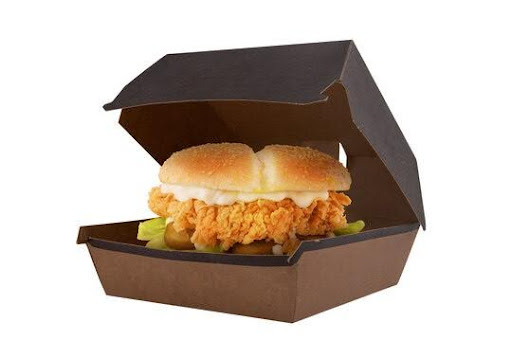
Run a burger place long enough and this conversation comes up eventually. Usually it starts with a complaint a soggy bun, a box that fell apart on the way to someone’s door and suddenly everyone in the kitchen is staring at a stack of boxes wondering why nobody thought about this sooner. It looks like such a small thing. It’s just a box. But there’s more going on with burger packaging than most owners realize until something goes wrong with it.
So let’s actually get into it the materials, the design choices, and the branding side that a lot of places skip entirely.
Material Choice Isn’t as Simple as It Sounds
Most burger boxes come down to two options: corrugated cardboard or paperboard. Corrugated is stronger and holds heat better, so it’s usually the right call for anything traveling any distance delivery orders especially, since the box might sit in a bag for fifteen or twenty minutes before anyone opens it. Paperboard is thinner, cheaper, and honestly fine for dine-in or quick counter pickup, where the box only has to survive a few minutes.
Coatings matter too, more than people expect. An uncoated box shows grease within minutes. Doesn’t hurt the food at all, but it looks messy, and customers judge on looks whether we like it or not. A lot of the bigger names use a thin wax or PE coating inside to deal with this, though that’s gotten trickier lately since fully plastic-lined boxes are harder to recycle, and customers have started noticing and caring about that.
Don’t Seal the Box Completely
This is the mistake I see constantly. Someone seals the box up tight, thinking it’ll keep the burger hot longer, and instead all that steam gets trapped and turns a crisp bun into mush within ten minutes. Good burger boxes leave room for steam to escape small vents, a slight gap in the lid, something. It sounds counterintuitive, letting heat out on purpose, but it works.
What works for one menu doesn’t always work for another, either. A thick burger loaded with toppings behaves differently in a box than a simpler, drier one does. So copying whatever box a competitor uses without testing it against your own food is a good way to end up with a new complaint you didn’t have before.
Size the Box for What’s Actually Going in It
One box size rarely fits an entire menu well. Standard burgers, bigger specialty ones, smaller items they all need something sized to match, not just crammed into whatever’s on hand. Places that sell smaller portions, sliders, kids’ meals, that kind of thing, tend to do better with mini burger boxes made for that size specifically, rather than just using a shrunk-down version of the regular box. A too-big box for a small item just means more shifting around during delivery and a burger that doesn’t look the way it did when it left the kitchen.
The Design Side
Once material and size are sorted, the visual stuff tends to follow a few patterns among the brands that get it right. Simple branding beats busy branding on something this small a logo, a color, maybe one line of text, instead of a box covered top to bottom in menu descriptions and taglines. Warm colors are still the go-to for suggesting freshness, though plenty of newer places have gone the opposite direction with stark black-and-white designs, and it works precisely because it stands out from everyone else doing the expected thing.
Printing matters too, in a practical sense. Flexographic printing is what most places use for big runs since it keeps costs down. Digital printing costs more per unit but makes way more sense for smaller batches or seasonal designs a business wants to swap out without committing to a giant print order they’ll be stuck with for a year.
Packaging as Part of the Brand, Not Just a Logo Slapped on a Box
The brands doing this well treat the box as part of their identity, not just somewhere to put their name. That means thinking about how it looks the second it’s opened, since a lot of orders end up photographed for social media whether the business planned for that or not. It means the same design shows up whether someone orders from one location or another across town. And more and more, it means being upfront about what the box is made of recyclable or compostable materials, clearly marked, because customers have started factoring that into where they choose to order from.
Putting It All Together
None of this is complicated once it’s laid out. Pick a material that holds up and doesn’t turn grease-stained in minutes. Leave room for steam to escape so the bun doesn’t go soft. Size the box to match what’s actually inside, from the standard burger down to the smaller items on the menu. And keep the design consistent enough that it reinforces the brand every single time someone opens one, rather than just being a forgettable container the food happened to arrive in.
Don’t try to fix everything at once. Pick whichever part is causing the most complaints right now, sort that out first, and work through the rest from there