
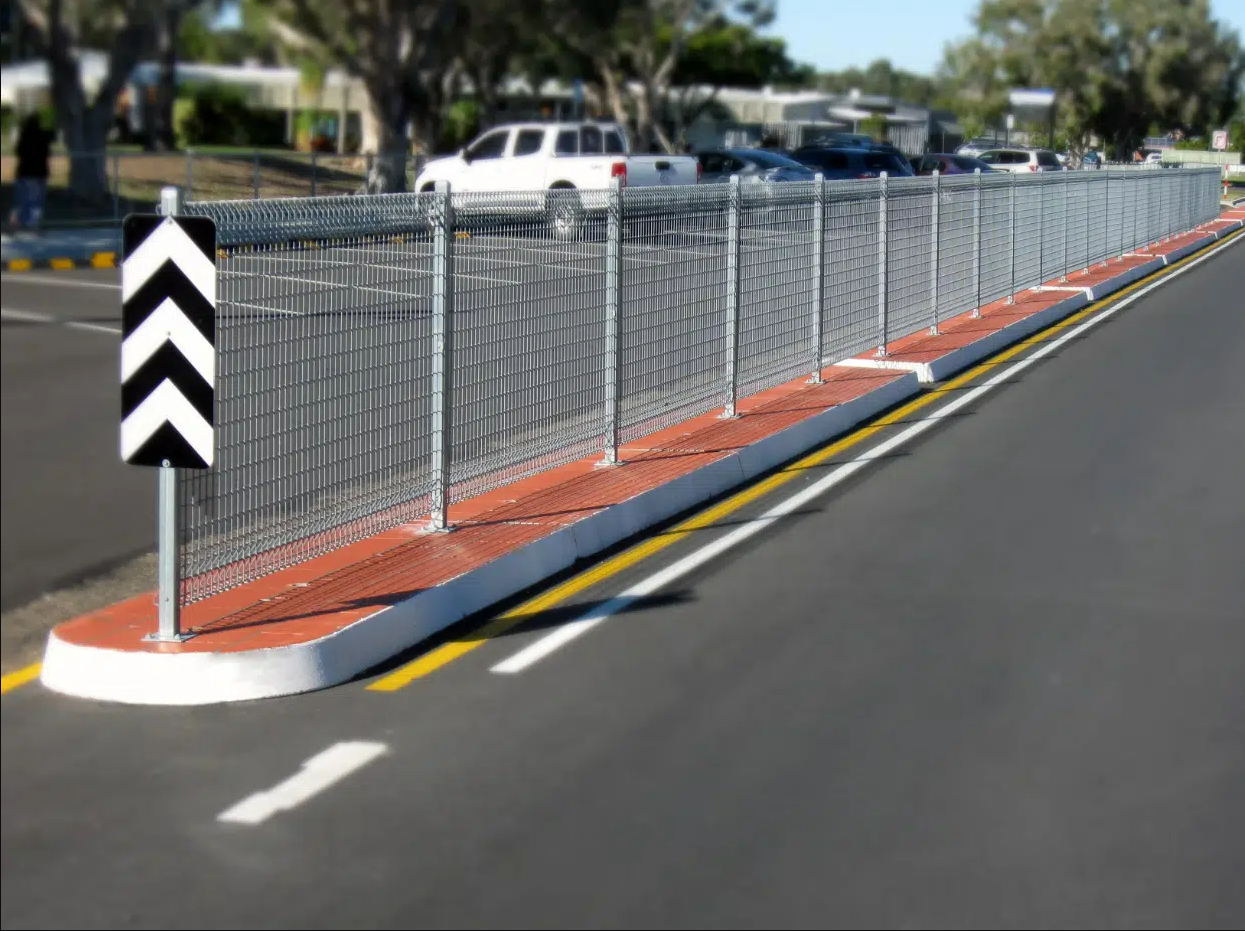
Construction sites across Australia require effective traffic control to protect workers, pedestrians, and motorists. Temporary work zones often involve changing traffic conditions, making clear safety measures essential. Traffic barricades create safe boundaries, direct movement, and reduce accident risks. Whether used for roadworks, utility projects, or civil construction, choosing the right barricade helps maintain an organised worksite, minimise disruptions, and support compliance with Australian safety requirements.
What are Traffic Barricades?
Traffic barricades are temporary safety barriers used to control vehicle and pedestrian movement around construction and maintenance sites. They separate active work areas from public access, reduce unauthorised entry, and guide traffic through temporary diversions. Available in different designs and materials, they provide clear visual warnings and help maintain a safer working environment. They also improve site visibility, making it easier for drivers and pedestrians to identify restricted areas.
Common Types of Traffic Barricades
The most commonly used barricades on Australian construction sites include:
- Plastic barricades: Lightweight and suitable for temporary work zones requiring quick installation and relocation.
- Water-filled barricades: Filled after placement to provide greater stability in busy traffic areas.
- Steel barricades: Suitable for demanding environments requiring higher strength and durability.
- Expandable barricades: Easy to transport and useful for restricting access to smaller hazards or work zones.
- Reflective barricades: Improve the visibility of work zones during night work and poor weather conditions.
Different construction activities require different barricades, making it important to choose the most suitable option for each project.
Where Are Traffic Barricades Used?
Construction teams use barricades in several situations, including:
- Road construction: Managing lane closures and directing vehicles safely around work zones.
- Utility works: Protecting excavation sites during electrical, water, or telecommunications projects.
- Civil infrastructure projects: Securing work areas during bridge, rail, and other public infrastructure works.
- Emergency repairs: Creating exclusion zones during urgent repairs.
- Public events near work sites: Separating pedestrians from nearby construction activities.
Using suitable barricades helps maintain safer movement for workers, motorists, and the public.
Factors to Consider Before Choosing Barricades
Before selecting a barricade, consider these factors:
- Traffic volume: Busy roads require stronger and more stable barriers.
- Site conditions: Ground surface and available space affect suitability.
- Visibility: Reflective features improve safety in low-light conditions.
- Durability: Materials should withstand Australian weather and regular use.
- Compliance: Barricades should comply with applicable Australian Standards and temporary traffic management requirements.
- Ease of handling: Simple installation and relocation improve on-site efficiency.
Considering these factors helps ensure the selected barricades match the project’s safety and operational needs.
Using Road Barricades for Safe Traffic Management
Temporary work zones often require more than simple barriers. Road barricades help manage lane closures, guide traffic through diversions, restrict access to hazardous areas, and separate pedestrians from moving vehicles. Selecting suitable barricades for each work environment improves visibility, supports smoother traffic flow, and helps reduce safety risks. They also support effective temporary traffic management throughout the construction period.
Conclusion
Choosing suitable barricades is an important part of maintaining safe construction sites across Australia. The right solution depends on the project, traffic conditions, visibility needs, and site environment. When properly selected and positioned, barricades help protect workers, guide road users, and support effective traffic management. Careful planning, appropriate equipment, and compliance with Australian safety requirements contribute to safer worksites, more efficient project delivery, and reduced risks for everyone on site.