Looking for effective ways to manage your chronic orthopedic condition? Check out our list of the top 5 tips to manage chronic orthopedic conditions.
How to Manage Chronic Orthopedic Conditions
Chronic orthopedic conditions, such as chronic sprain, arthritis, osteoporosis, and back pain, can be debilitating and affect an individual’s quality of life. For these, treatment is needed to minimize symptoms and prevent further damage.
Along with this, joint pain management is one of the major parts of orthopedic problems that has to be addressed.
Through this article, we will discuss and provide a simple and effective guide on the to Manage Chronic Orthopedic Conditions effectively.
Understanding Chronic Orthopedic Conditions
Before we go into the management of chronic orthopedic conditions, it’s always important to understand the exact causes and reasons for them to maintain proper bone and joint health.
Chronic orthopedic conditions are long-term musculoskeletal disorders that affect the joints, bones, muscles, and connective tissues, making life difficult and painful. These conditions are due to the result from wear and tear, aging, injuries, and genetics.
Diagnosing Chronic Orthopedic Conditions
Proper diagnosis is vital in managing different types of chronic orthopedic conditions. An Orthopedic Surgeon will usually perform a physical examination, review the patient’s medical history, and may suggest to you imaging tests such as X-rays or MRIs and so on. In some cases, a blood test may be essential to rule out underlying medical conditions and disease.
Treating Chronic Orthopedic Conditions
The treatment of chronic orthopedic conditions varies depending on the specific disorders and their severity. Here are the best 5 tips to manage chronic orthopedic conditions
Medications
Medications are often authorized to alleviate pain, reduce swelling and inflammation, also slowing down the progression of the disorders.
Some usually authorized medications for chronic joint conditions include nonsteroidal anti-inflammatory drugs (NSAIDs), corticosteroids, Muscle relaxants, and disease-modifying antirheumatic drugs (DMARDs).
Physical Therapy
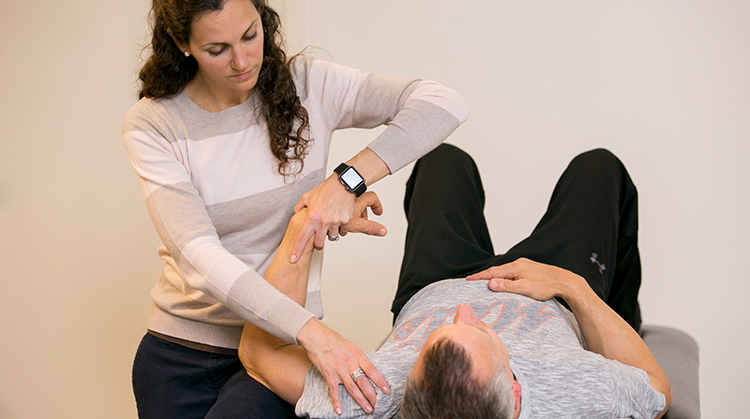
Physical therapy is an important part of dealing with chronic orthopedic conditions and managing orthopedic conditions. The targeted exercises and techniques to develop plans to improve your Physical strength, flexibility, and quality of life. A physical therapist works with the patient to develop a personalized plan to address the following requirements.
Lifestyle Modifications
Changes in Lifestyle habits can also play an important role in dealing with musculoskeletal health for many types of orthopedic conditions, which include:
- Maintain the healthy weight to reduce stress on the joints
- Engaging in low-impact resistance exercises such as swimming, biking, or yoga
- Using assistive devices such as canes or walkers to reduce stress on joints
- Eating a healthy diet rich in nutrients and antioxidants
- Do Surgery if indicated
- Use the customized orthosis
Working with an orthopedic specialist or qualified healthcare professional is also needed in order to identify the condition and develop an appropriate long-term management plan.
In some cases, surgery may also be needed to repair or replace damaged joints and bones. This is usually considered a last resort and is only recommended when other treatments have failed.
Coping with Chronic Orthopedic Conditions
Managing chronic orthopedic conditions can be challenging and can affect a person’s mental health. Coping strategies that may help include:
- Joining support groups to connect with others who are also living with chronic conditions
- Practicing stress-reducing
- Use of some techniques like meditation, deep breathing, or yoga
- Maintaining a positive attitude and staying engaged in activities that bring joy
Prevention of Chronic Orthopedic Conditions
While some chronic orthopedic conditions cannot be prevented, some steps can be taken to reduce the risk of developing them. These include:
- Maintaining a healthy weight
- Engaging in regular exercise to keep joints strong and flexible
- Wearing suitable footwear and protective gear when participating in physical activity
- Avoiding smoking, which can increase the risk of osteoporosis
Conclusion
Managing chronic orthopedic conditions requires a long-term approach that needs a team so as to address the specific needs of each patient. With proper assessment, diagnosis, treatment, and lifestyle modifications, individuals living with chronic orthopedic conditions can get relief with significant improvement in their symptoms and quality of life.
If you are experiencing simple as well as chronic knee pain that is affecting your quality of life or limiting your capacity to perform daily activities, it’s essential to be oriented and consult with the Best Orthopedic Surgeon in Delhi to find out the basic and primary cause and develop an appropriate treatment plan.
You can consult with a good orthopedic surgeon at Cure My Knee. We help you find the right surgeon to provide you with the best solution to your problem. We help patients experience a hassle-free journey from booking an appointment to post-surgery rehabilitation.