A Beginner’s Guide to Medical Weight Loss Options
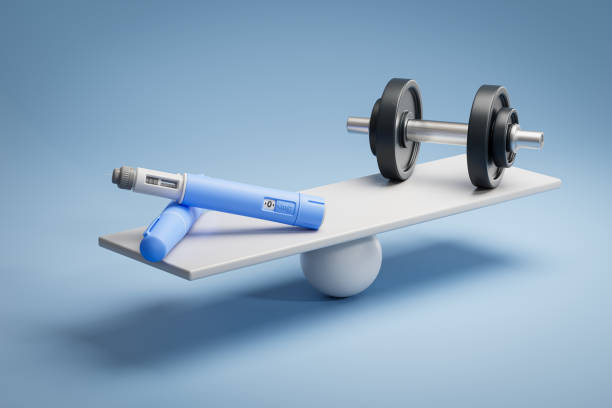
For years, the idea that weight loss is just a matter of calories in and calories out has been the go-to message. Those habits are certainly significant, but the fact is that life is far more complex when it comes to weight gain. Weight gain and loss is a result of hormones, genes, metabolism, stress, medications and underlying health problems.
This increased awareness has been changing the discussion on obesity. Rather than an issue of willpower it is now understood to be a chronic medical condition and may need long-term management. Because of this, medical interventions are becoming more of a component in people’s weight management plans.
One strategy that’s gaining a lot of traction is GLP-1 Therapy, which has provided a new method for helping individuals who have not been able to achieve the same results with traditional therapies to date.
To grasp the overall situation
Weight management is more than just a calorie restriction. Hunger, fullness and energy storage are controlled by mechanisms within the human body. These systems tend to react when a person loses weight by making them feel hungrier and by decreasing their metabolism, which can make it harder to keep losing weight.
This biological reaction is why many people end up regaining weight after a diet. With determination and discipline, the body resists the change and will seek to regain its former weight.
Researchers have become aware of these problems, and have devised therapies that complement the body’s normal functions, rather than trying to combat them.
Why Traditional Weight Loss is not Sufficient
Good nutrition and exercise are still the cornerstones of good health. Yet many people make the lifestyle changes and they don’t seem to yield the results they are looking for at some point.
Many things can complicate losing weight, such as:
- Insulin resistance
- Hormonal imbalances
- Polycystic ovary syndrome (PCOS)
- Type 2 diabetes
- Certain medications
- Age-related metabolic changes
- Sleep disorders and chronic stress
For those who have these difficulties, medical support may help them, as they are working to develop healthier habits.
Weighing in on Weight Loss
Today, obesity treatment is geared toward the biological mechanisms that affect appetite and metabolism.
Newer drugs do not work in the same way as older drugs which acted as stimulants; newer drugs work by helping to control hunger signals in a natural way. Numerous patients have reported that they think less about food throughout the day, and thus find it easier to maintain well-balanced eating habits without feeling deprived.
This change has turned the weight loss experience for many into a different one. They no longer have to fight the urge to indulge and make better choices with effort.
More Than Just Losing Weight
Whilst weight loss is frequently the focus for the diet program, there is also the improvement of the health.
Even a slight amount of weight loss can help to improve in the following areas:
- Blood sugar management
- Blood pressure
- Cholesterol levels
- Joint comfort
- Sleep quality
- Energy levels
- Mobility
These changes can decrease the likelihood of chronic diseases developing and improve quality of life.
Why is individualized care important?Why is it important to care for each person individually?
There is no one-size-fits-all weight loss solution.
A healthcare professional will review the medical history, current health state, medications and treatment objectives of the person to determine an approach. This customized approach guarantees that any treatment regimen is safe and suitable.
Follow-up visits also enable healthcare providers to track progress, make adjustments to treatment if needed, and provide continued care and monitoring.
Lifestyle Still Matters
A common mistake is thinking that medical weight loss methods are simply a substitute for healthy living.
The truth is that, long-term success will still rely on lifestyle choices. Eating right, exercise, good sleep, drinking water and managing stress will continue to be crucial to keeping a healthy weight.
Medical treatments are not intended to replace these habits.
Individuals who embrace a holistic strategy combining medical attention and lifestyle modification tend to have more positive long-term results.
Looking Beyond the Scale
You don’t have to determine success by the number on the scale.
In addition to pounds lost, many people experience improvements in things that aren’t really directly related to weight loss, like:
- Greater confidence
- Better mobility
- Increased energy
- Improved physical fitness
- Healthier eating habits
- Enhanced control over emotional eating
These non-scale wins can be the catalyst that drives people to maintain a healthier lifestyle in the long term.
A Long-Term Perspective
It has been increasingly recognized by experts that obesity is a chronic disease and the only short-term cure is the long-term management of the condition.
This attitude fosters realistic expectations. Changes that sustain themselves tend to be slow, but they are likely to be sustained if a healthy lifestyle is a habit and medical intervention is provided when necessary.
The focus shifts from quick weight loss to healthy living and developing a lifestyle that can be sustained over a long period of time.
The future of weight management
The treatment of obesity is constantly evolving as a result of medical research. Researchers are working on novel drugs, combinations, and individualized treatment plans that could help to further enhance long-term results.
Advances in knowledge of metabolism and appetite control mean that weight management is more personal than ever before. A one-size-fits-all treatment plan is no longer the way to go as healthcare providers are now able to provide personalized treatment.
This constant improvement will be a blessing to those who have tried numerous diets over the years with no success.
Final Thoughts
Losing weight is no easy task and it’s not just about cutting back on what you eat and increasing your activity level. Many factors, such as factors of the body, hormones and medical factors can affect the body’s response to lifestyle changes and make it hard for some people to maintain their weight loss.
Advances in today’s medicine have broadened the choices of those who want further assistance. With proper nutrition, safe exercise and the advice of a well-trained health care provider, GLP-1 Therapy is one of several proven strategies that can help people attain a healthier, more sustainable result.
In the end, weight management is not about a quick fix—it’s about a realistic plan that will last a lifetime and help you attain and keep a healthy weight.
nepkos sokpen
Toprecents Contributor & Subject Specialist. Published in verified categorized directories.