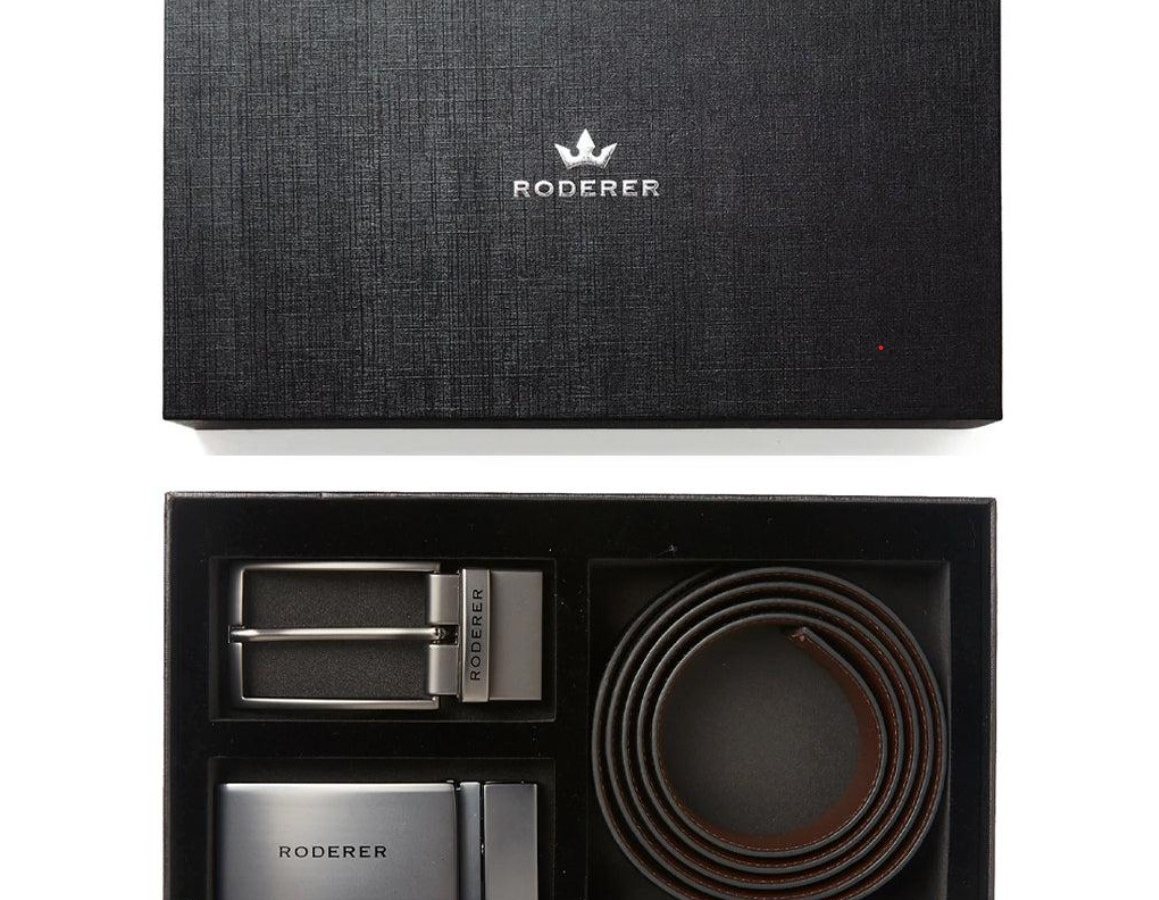
A belt is defined as a flexible strip of fabric, usually of leather, woven material, or webbing. It is designed to be fastened around the body, especially around the waist to hold up clothes or other items, as well as to be used as an accessory. Belt box design for the Packaging is essential for any fashion or leather belt.
- 01. Creative packaging ideas for belts
- 02. Right Box Size and Style Matters While Designing Belt Boxes
- 03. Choosing The Right Material for Belts
- 04. Best materials for belt packaging boxes
- 05. Designing the Boxes That Fit the Belts
- 06. Printing Options and Product Information that Grab the Customers
- 07. Final Thoughts
- What is Link Exchange in SEO: A Complete Guide to Know

- The Art of the Hook: How to Write Enticing Introductions in Blogging and Essay Writing

- How a Website Audit Helps Improve User Experience and SEO Together

- What SEO Content Tips Top Digital Marketing Firms Always Follow

- How to Rank Your Blog in Google’s Top 10 Search Results

- Top SEO Trends for 2026: Strategies to Refine Your Content

Custom belt boxes not only help in making the belts look attractive, but they also ensure protection during transit. The belts stay in perfect condition from the time they leave till the time they reach their destination. It also helps in managing smoothly and presenting the logo in style.
Creative packaging ideas for belts
Right Box Size and Style Matters While Designing Belt Boxes
Box size must be in proportion to the belt size. A large box may make you waste some space. Box size may also affect belt transportation. An overly tight box might impose pressure on the item. This may also cause bending or impressions on the belt. These Custom boxes for packaging belts are always useful and good-looking
Take time to measure belt length, width, and rolled height before box selection. The space required for appropriate folding or rolling is essential. Ensure there is enough space for easy installation. There is no need for an asymmetrical blank field.
Each Belt box design needs different packaging types. One can easily pack most items using a tuck-end box. Tuck-end packing is simple and allows you to easily open and close the package. Drawer-boxes provide a neater presentation of goods and ease of unpacking. Hinge boxes form yet another good type of packaging.
Selection for the custom belt box must be determined by the intended purpose of packing. It must also consider several other factors like inventory, logistics, displays, and buyer management.
Choosing The Right Material for Belts
Material selection affects packaging strength and appearance for every Belt box design. The need to control the belt is loud outside. Some of the materials are as follows:
Best materials for belt packaging boxes
- Lightweight cardboard works for retail products that require primary protection. Thicker belt packaging offers better support throughout transportation.
- Eco-Friendly Kraft boxes
- Rigid Boxes
Think about the belt material. Leather belts may require stronger packaging than lightweight material belts. The box is best for protecting the product from external damage.
Designing the Boxes That Fit the Belts
The inside of the belt packaging deserves as much attention as the outside. The belt should live in its intended position without movement. You can use handy inserts to prevent movement. Paper supports can also help keep the belt in shape.
Keep the decor accessible and realistic. Avoid sharp edges that could scratch the belt. Avoid certain inserts that create stress points.
The thoroughly deliberate interior also makes packing quick. This can help improve consistency at a particular level in the sequence.
Packaging often allows customers to identify the product before using it. For this reason, branding must stay smooth to be noticed. Place the brand name where customers can see it quickly.
Make the logo name readable and eye-catching while you do Belt box design. The colors are used in the form of the official brand identity. Don’t fill every page with pictures.
Printing Options and Product Information that Grab the Customers
The printing process can be used for communicating useful information in catalogues. It can comprise the names of brands, product descriptions, care instructions, or even touch screens. Make sure to select fonts that are easily legible. Do not use overly elaborate stamps for crucial pieces of information. The colors used in the process can also be considered. The combination of dark text content against light heritage creates a powerful message. Test out the design before going for printing.
A belt box can make it a complete training sheet and provide useful external facts. For customers, small pieces of information are less difficult to verify. You can include physical facts and care tasks.
Size information can also help with product selection. If the belt requires a specialized garage, name it virtual. Simple commands can help customers find the product correctly. Keep important information away from folds and the edges of the area. This allows us to see the facts after the meeting.
Final Thoughts
Consider size, structure, material, sealing, and protection when you are doing Belt box design. The sleek design stabilizes the belt and manages the delivery. Start with precise measurements and choose a practical packaging style. Then look at internal, external, closed, and shipping performance. Clear branding can help boost popularity. Sustainable packaging options can also reduce unnecessary waste.
Successfully completing all stages of the design process guarantees that your custom apparel boxes not only protects the product during shipment but also creates an exceptional unboxing experience. Through a perfect combination of size, correct internal positioning, good quality material, and strong branding, your packaging is bound to make a lasting impression on your customers.


Reader Discussion 0
No reader comments yet.
Be the first to share your thoughts or ask a question about this article below.