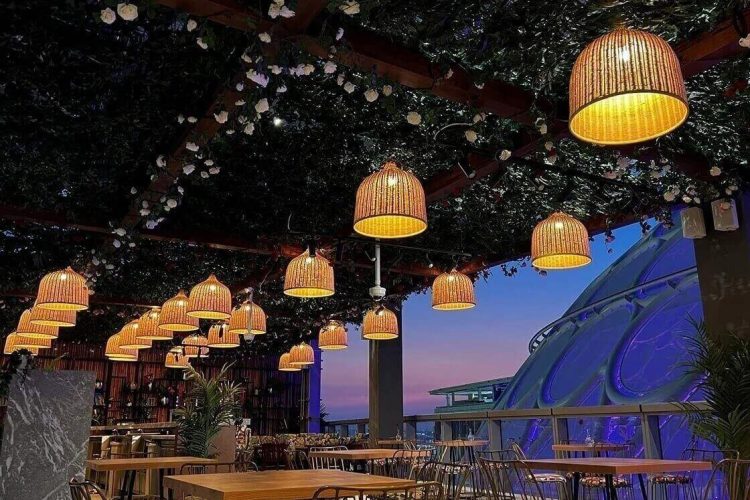
One of the most effective tools for creating an atmosphere that makes guests feel comfortable and welcome from the minute they step through your door is lighting. When it comes to large-scale projects, success will be determined by how successfully all parties involved (owners, designers, and hospitality lighting suppliers) collaborate with each other during the early phases of planning. This article provides a framework to assess suppliers, establish collaborative relationships, and translate procurement decisions into reality on-site.
- 01. Why Lighting Matters for Hotel Performance
- 02. How to Choose Hospitality Lighting Suppliers
- 03. Proven Hospitality Experience
- 04. Customization and Production Capacity
- 05. Technical and Compliance Support
- 06. Lead Times and Logistics
- 07. Aligning Supply with Commercial Lighting Installation
- 08. Key Coordination Steps
- 09. Practical Tips for Large Hotel Projects
- 10. Conclusion
- What Are Guest Post Guidelines? A Beginner’s Guide

- Link Exchange in SEO: A Complete Guide to Know

- The Art of the Hook: How to Write Enticing Introductions in Blogging and Essay Writing

- How a Website Audit Helps Improve User Experience and SEO Together

- What SEO Content Tips Top Digital Marketing Firms Always Follow

- How to Rank Your Blog in Google’s Top 10 Search Results

Why Lighting Matters for Hotel Performance
The lighting of a hotel includes multiple spaces (guest rooms, hallways, function halls, restaurants, spas, top floor bar), and each space has a different set of requirements. The lighting for each area must provide specific amounts of light, meet brand specifications, comply with local, state and federal energy conservation regulations; meet accessibility guidelines, and be controlled by a method suitable to that particular area.
In general, energy efficiency is important since lighting continues to be one of the largest consumers of electricity in the majority of commercial properties worldwide. According to the U.S. Department of Energy, LED devices utilize a minimum of 75% less energy than standard incandescent lighting. Additionally, these same devices will have a much longer life span (up to 25 times) as compared to incandescent lights; thus, reducing the need for replacement labor throughout hundreds of guest rooms.
How to Choose Hospitality Lighting Suppliers
A multi-phase hotel development will require suppliers that have different skill sets. Therefore, procurement teams need to evaluate potential candidates using the following four criteria.
Proven Hospitality Experience
Ask for case studies from other hotels with similar sizes and brand levels. Because experienced suppliers are familiar with the workflow of approvals and how to provide a great guest experience.
Customization and Production Capacity
Signature lighting identifies a hotel. Ensure the manufacturer has the ability to produce customized finishes and decorative elements on an industrial scale.
Technical and Compliance Support
A reliable supplier will offer photometric files, product certification and lighting calculations, as well as have knowledge regarding local building codes and energy standards.
Lead Times and Logistics
The delay of fixtures will disrupt your planned opening day. Review the production timeline for all fixtures, the supplier’s inventory policy, and if they can organize partial delivery.
Aligning Supply with Commercial Lighting Installation
Excellent products will not perform well if they are installed incorrectly in a commercial setting, therefore manufacturers of those products need to be involved with the planning process prior to making final decisions about product specifications.
Key Coordination Steps
Share Drawings Early: Provide suppliers with architectural, ceiling, and electrical drawings so that fixtures and their installation methods match the actual building conditions.
Approve samples/prototypes: Create a model of one of your guest rooms and a portion of your lobby so you can evaluate the sample room’s colors, lighting levels, glare control, and ability to be dimmed, prior to making an order.
Verify that your controls are functioning properly; confirming that drivers, dimmers, and building management systems communicate with each other will help avoid costly re-work associated with later-stage compatibility issues.
The first step is to label and deliver fixtures based on their location within the building (i.e. floor or area), this will help to speed up the installation process and minimize potential errors during a construction project.
Commence commissioning: Aiming, calibrating, and programming scenes should occur prior to last checks for each area of a building, which will allow each space to operate in accordance with how it was designed.
Practical Tips for Large Hotel Projects
Create layers of light: Combine ambient, task, and accent lighting for a layered look that creates a sense of depth, comfort, and versatility in all of your guest-facing spaces.
You should select lighting that is warm and can be adjusted (dimmed). It is suggested to use a color temperature range of 2700K to 3000K, as this will help create a relaxing environment within your guest rooms and lounges.
Design for Maintainability: Specify fixtures that have easily accessible parts and utilize standard replacement components, allowing engineers to quickly swap out defective items while minimizing disruption to guests.
The initial cost of a product is usually the least expensive part of its life cycle. Once the additional expenses of replacement parts, labor costs, and lost productivity due to equipment failures are considered, then the “cheapest” product will likely turn out to be the most costly over time.
Document everything: Create a central repository for all specification sheets, warranty information, and change orders. That way, each team will have access to the most up-to-date documentation.
Common Mistakes to Avoid
Most teams wait until after their ceiling designs have been finalized before bringing in their suppliers, this restricts what type of light fixtures can be used as well as forcing costly compromises. Some teams may also approve products from catalog images only and do not test sample products in the same light environment that guests would normally see them in. A final common mistake made by teams is waiting until they begin installing controls to finalize control specifications; this results in rework, delays, and unhappy contractors.
Conclusion
The most effective hotel lighting is achieved through collaboration among owners, designers, installers and hospitality lighting vendors that have knowledge of both the technical and aesthetic aspects of lighting. Collaborating with your commercial lighting installation contractor will protect the project’s timeline and budget to ensure that all fixtures are delivered on time, fit properly and perform as expected. Begin communicating with your commercial lighting contractor early on in the process, sample products prior to making a commitment to purchase, and develop a plan for the ongoing maintenance costs of your lighting system to ensure your guest experiences are memorable long after their stay at your hotel.




Reader Discussion 0
No reader comments yet.
Be the first to share your thoughts or ask a question about this article below.