
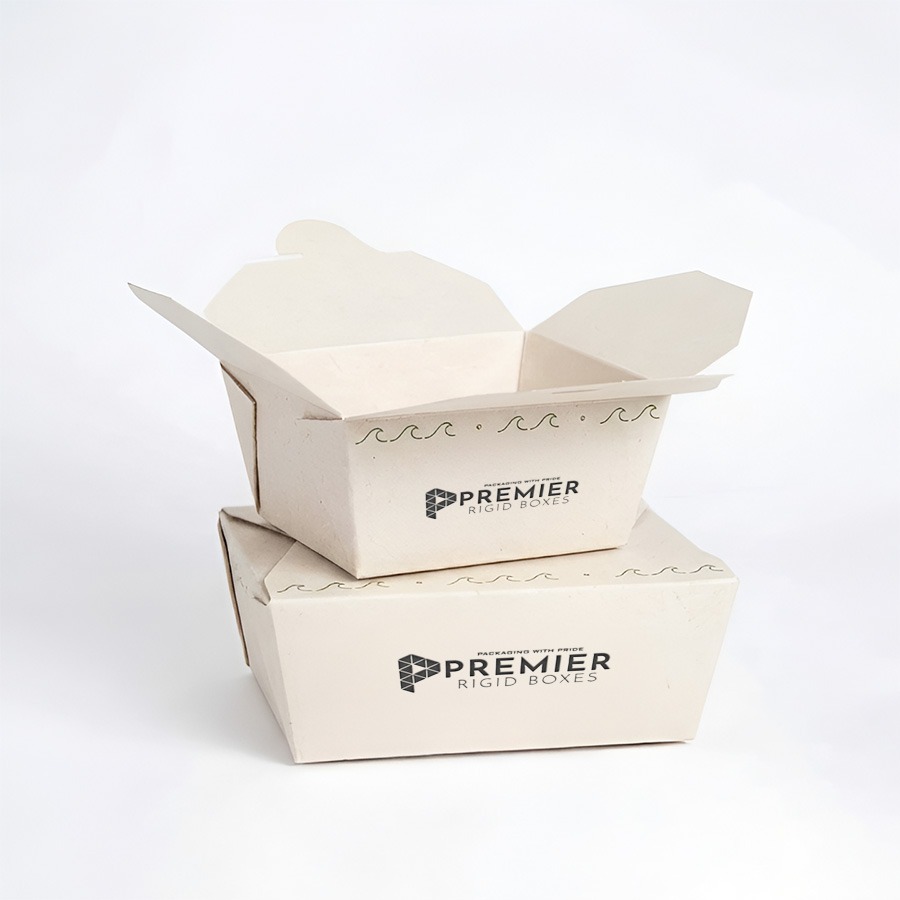
A restaurant owner I know redesigned his takeout boxes three times in a single year. Not for branding reasons, he just kept getting complaints about soggy fries and sauce leaking through the bag. Same kitchen, same recipes, same delivery drivers the whole time. The only thing that actually made the complaints stop was fixing the packaging itself. It’s a small detail, but it ends up mattering way more than most restaurants expect when they first start offering delivery.
Food doesn’t get credit for how good it tasted the moment it left the kitchen. If it shows up soggy, cold, or leaking through the bag, that’s what sticks in someone’s memory, not whatever the chef actually got right. Custom takeout box wholesale are basically there to close that gap between the kitchen and someone’s front door, and when they’re wrong, it shows up in reviews pretty fast.
Where Standard Boxes Usually Fall Apart
Most restaurants start out with whatever generic clamshell or flat-fold box their supplier happens to have in stock, and honestly that works fine for a while. Trouble starts once volume picks up, or once the menu includes something the box was never really designed to handle. Fries steam themselves soft inside a sealed container within minutes. Sauce pools in a corner and soaks through the bottom before a fifteen-minute drive is even done. Burgers show up flattened because the box wasn’t tall enough for how they’re actually stacked.
None of this is a huge failure on its own. But it piles up, and delivery customers tend to judge a restaurant almost entirely on that first bite after opening the box. Which means packaging problems end up blamed on the food, even when the food left the kitchen perfectly fine.
What Actually Keeps Things Fresh During the Ride Over
Ventilation matters more than people generally assume. A box sealed completely airtight traps steam inside, and that steam is exactly what turns crispy fries or fried chicken soggy within minutes of leaving the fryer. Boxes built specifically for this kind of food usually include small vent holes, or sometimes just a slightly looser-fitting lid, letting steam out without letting the food go cold too quickly either.
Material choice matters as well. Corrugated board holds onto heat noticeably better than thin folding stock, which counts for a lot with anything meant to arrive still warm. For anything greasy or saucy, a grease-resistant coating lining the inside keeps the bottom from turning soggy and stops the box itself from falling apart mid-delivery. Kraft board with a light coating usually handles this fine without needing a full plastic liner stuffed inside.
Compartments matter more than they get credit for too, particularly with meals that have multiple parts. Keeping sauce separate from fries, or rice away from a protein that’s been sitting in its own juices, avoids that soggy mixed-together mess people find waiting after a bumpy ride in a delivery bag.
Sealing It Without Ruining the Freshness
There’s a balance here that’s easy to mess up in either direction. Seal something too tight and the food basically steams itself into mush. Leave it too loose and it spills, or worse, a customer assumes it’s already been opened before it even arrived, since tamper-evident seals have become something people genuinely look for now.
Tamper-evident stickers or perforated tabs handle two problems at once. They reassure a customer the box hasn’t been opened since leaving the kitchen, and they keep the lid tight enough during the drive that nothing shifts around inside. A lot of custom takeout boxes build this into the box structure directly now rather than relying on a sticker added on afterward, which ends up looking cleaner and holding up better too.
Branding Still Counts, even on a Box Built Mostly for Function
It’s tempting to treat takeout packaging as purely practical and skip branding entirely, especially when a restaurant’s just trying to stop things from leaking. But that box is genuinely one of the only physical things a delivery customer touches from a restaurant they never actually stepped foot in.
A simple logo, a color that shows up consistently across the bag and the box together, or even a short handwritten-style note printed somewhere on the lid, goes a long way toward making an order feel like it came from somewhere specific instead of a random kitchen. Custom takeout boxes that get this part right tend to keep it simple, a logo tucked in one corner rather than graphics covering everything, since heavy printing can sometimes mess with how well the grease-resistant coating actually performs.
Questions Worth Asking a Supplier First
Before committing to a print run, it’s worth confirming a few things directly with a supplier instead of assuming standard stock covers everything. Ask whether the box design actually includes ventilation, and whether that’s adjustable depending on what’s going inside. Confirm the grease-resistant coating is genuinely food-safe and tested against hot, oily food, not just labeled that way on a spec sheet. Check if compartment options exist for combo meals, since not every supplier offers that without custom tooling involved. And ask about minimum order quantities, since custom printing almost always needs higher volumes than plain stock boxes do.
Bottom Line
Good takeout packaging mostly goes unnoticed when it’s doing its job right. Nobody leaves a review praising fries that stayed crispy, they just don’t complain. Get it wrong though, and it’s often the very first thing mentioned in a bad review, even when the kitchen did everything correctly. Custom takeout box built around real ventilation, decent materials, and secure sealing solve a problem most restaurants don’t think much about until customers start pointing it out for them. Fixing it early is a lot cheaper than trying to repair a reputation afterward.