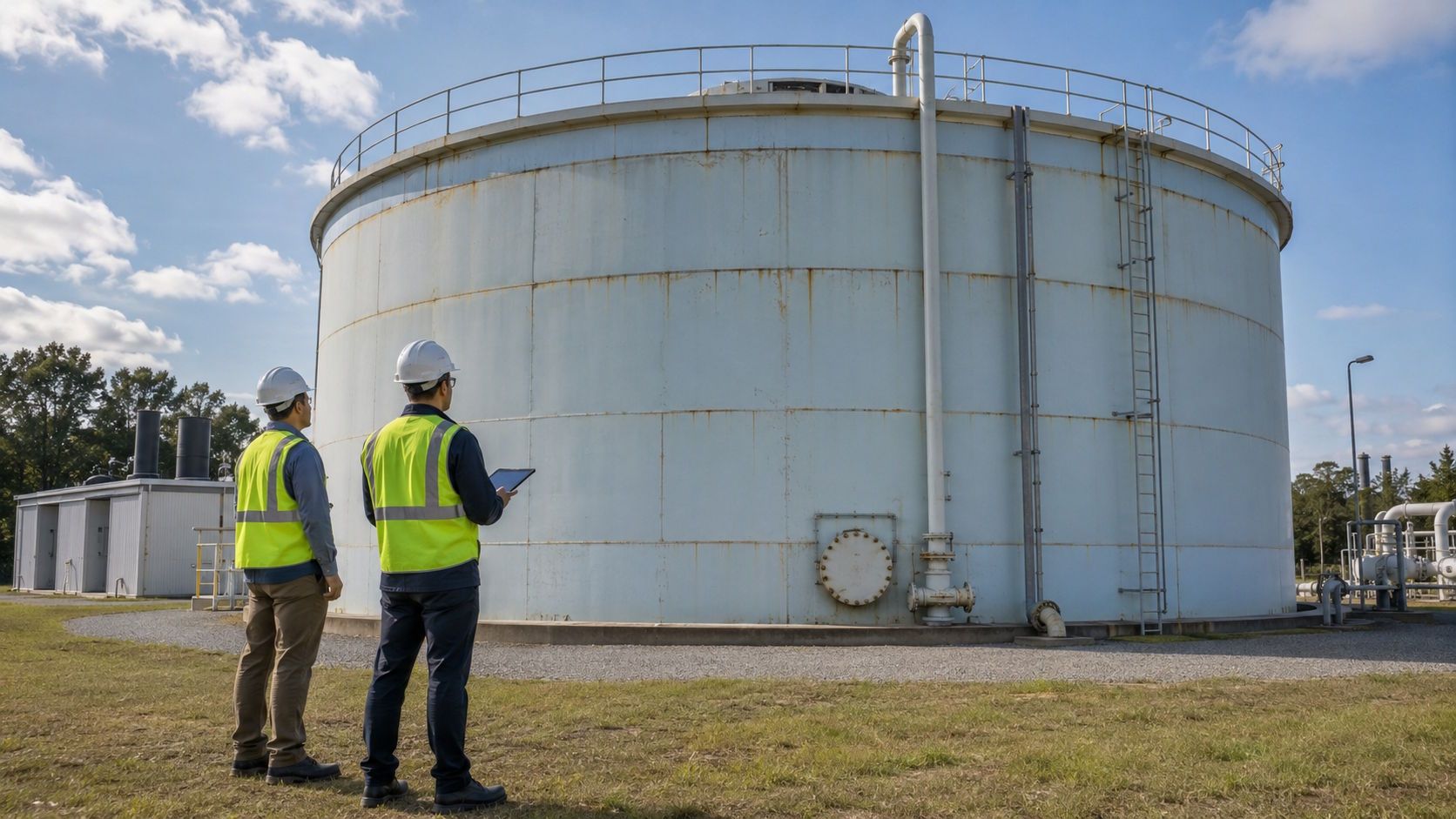
Choosing a water storage tank supplier for a large order requires careful verification. Price and capacity provide only part of what you need to assess a provider. Business credentials, technical capability, project experience and ongoing support also matter. Checking these areas before accepting a quotation can clarify the proposed system, supplier responsibilities and arrangements for manufacturing, delivery, installation and future maintenance.
- What Are Guest Post Guidelines? A Beginner’s Guide

- Link Exchange in SEO: A Complete Guide to Know

- The Art of the Hook: How to Write Enticing Introductions in Blogging and Essay Writing

- How a Website Audit Helps Improve User Experience and SEO Together

- What SEO Content Tips Top Digital Marketing Firms Always Follow

- How to Rank Your Blog in Google’s Top 10 Search Results

Confirm Business and Legal Details
Public registers can help verify an Australian supplier’s identity and status. Contract documents should also clearly identify the entity providing the goods or services.
Useful checks include:
- ABN Verification: Use ABN Lookup to check public details and ABN status.
- ASIC Records: Check ASIC registers to verify details when the supplier operates through an Australian company.
- Contracting Entity: Confirm quotations, contracts and invoices identify the appropriate legal entity.
- Insurance Details: Request evidence of relevant insurance for the project and jurisdiction.
These checks can clarify which organisation is responsible for your order.
Review Technical Capability and Compliance
Tank requirements vary by material, intended use, site conditions, and stored water. Suppliers should explain which standards, codes and regulatory requirements apply.
Request information covering:
- Product Specifications: Review materials, dimensions, capacity, liners, coatings and fittings.
- Applicable Standards: Ask which Australian Standards and other requirements apply.
- Quality Processes: Review relevant manufacturing, installation and testing procedures.
- Operating Conditions: Confirm that the proposed tank suits its intended application.
Clear technical documentation makes it easier to compare proposals consistently.
Check Project History and References
Experience with comparable projects can provide useful information about a supplier’s capabilities. References can also help verify information presented in proposals.
Consider checking:
- Comparable Projects: Request examples involving similar tank types and applications.
- Client References: Ask previous customers about communication, delivery and support.
- Project Delivery: Discuss performance against agreed scope and schedules.
- Issue Management: Ask how the supplier managed project variations or challenges.
These checks can provide useful insight into the supplier’s experience with larger projects.
Assess Production and Delivery Capacity
Large orders require suitable manufacturing resources and realistic delivery planning. Reviewing these arrangements can help you understand the proposed schedule.
Key areas include:
- Production Capacity: Discuss manufacturing lead times and available resources.
- Material Supply: Ask how material availability could affect scheduling.
- Payment Terms: Review deposits, progress payments and agreed milestones.
- Delivery Planning: Clarify transport, site access, assembly and testing responsibilities.
Documenting these arrangements can clarify responsibilities throughout the project.
Review Warranties and Ongoing Support
Long-term support is another important consideration. Review warranty coverage, exclusions, repair services, spare parts, inspections and maintenance arrangements before placing an order.
For larger assets ROV water tank inspection may form part of an inspection programme when suitable for the tank and operating conditions. Confirm whether specialist services are available and how the supplier documents inspection findings.
Conclusion
Verifying a water storage tank supplier requires reviewing business credentials, technical capability, experience and delivery arrangements. Compare applicable standards, warranties, documentation and maintenance support alongside the quotation. Public registers can confirm business details, while references provide insight into previous projects. A consistent verification process clarifies responsibilities and ensures suppliers are assessed against the same practical requirements before signing a contract.

Facebook Discussion