
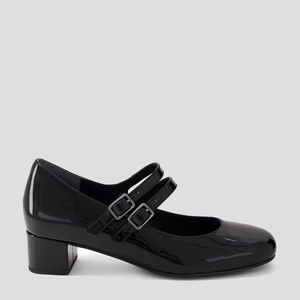
Finding heels that accommodate orthotics can be challenging, as many styles offer limited space and support. However, the right pair can provide comfort, stability and a polished appearance. When choosing orthotic friendly heels focus on fit, heel design and supportive features to ensure lasting comfort and support throughout the day.
Check Whether the Heel Can Accommodate Orthotics
Before purchasing heels, make sure they can comfortably accommodate orthotic inserts. A shoe with limited space may reduce comfort and affect the performance of your orthotics.
Key features to look for include:
- Removable Insoles: Create extra room for orthotic inserts.
- Deep Footbeds: Allow the foot to sit comfortably within the shoe.
- Adequate Internal Space: Help prevent pressure on the foot.
- Secure Fit: Keep the foot and orthotic in the correct position.
Checking these features can help you find a more supportive and comfortable fit.
Choose a Comfortable Heel Height
Heel height has a direct impact on comfort. Very high heels place more pressure on the forefoot and can affect balance. A moderate heel height is usually a better option. Lower and mid-height heels distribute body weight more evenly and place less strain on the feet. They also allow orthotics to provide effective support. Choosing a practical heel height can improve comfort during longer periods of wear.
Look for Stable Heel Designs
The design of the heel can influence both support and confidence while walking. Stable styles generally provide better comfort than narrow heels.
Some suitable options are:
- Block Heels: Provide a wider and more stable base.
- Wedge Heels: Help distribute pressure across the foot.
- Wide-Based Heels: Improve balance and reduce instability.
A stable heel design can make walking more comfortable and secure.
Ensure the Shoe Fits Correctly
Proper fit is essential when wearing orthotics. The shoe should provide enough room for your toes while holding the foot securely. Check for any signs of pinching, rubbing or excessive movement. It is also helpful to walk in the shoes before buying them. A good fit helps orthotics function properly and supports overall comfort.
Prioritise Features That Improve All-Day Comfort
Certain features can make heels more comfortable for extended wear.
Important features to consider are:
- Cushioned Footbeds: Help reduce pressure on the feet.
- Shock-Absorbing Materials: Minimise impact while walking.
- Adjustable Straps: Provide a more personalised fit.
- Soft Linings: Reduce friction and irritation.
These features can enhance comfort and support throughout the day.
When Wider Fittings May Be the Better Choice
Some orthotic users need additional room inside their footwear. In such cases extra wide shoes can provide the space needed for a more comfortable fit. Many people find that extra wide shoes reduce pressure around the forefoot and allow orthotics to sit correctly. The right width should provide comfort without making the shoe feel loose or unstable.
Conclusion
Choosing the right orthotic friendly heels requires careful attention to comfort, fit and support. Features such as adequate space for orthotics, a stable heel design and cushioning can improve everyday wear. By considering these factors before purchasing, you can enjoy heels that provide both comfort and confidence throughout the day.