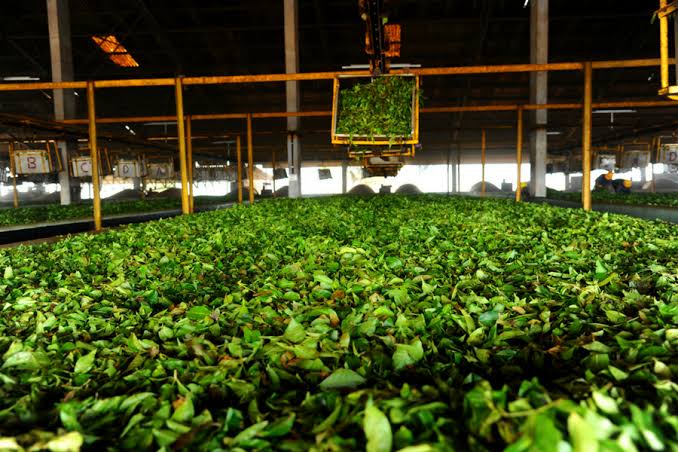
When customers buy the same tea again, they expect the experience to be just as enjoyable as the first time. The color, aroma, flavor, and freshness should remain consistent, regardless of when or where they purchase it. For businesses, delivering that consistency is essential for building trust and encouraging repeat sales.
Behind every reliable tea product is a tea factory that follows well-defined quality standards throughout the production process. Certification is one part of that commitment, but maintaining consistent quality also requires careful attention at every stage, from sourcing raw tea leaves to packaging the finished product.
Quality Begins Long Before Production
Consistency doesn’t start inside the factory. It begins with selecting the right tea leaves. Reliable manufacturers work with carefully sourced raw materials that meet specific quality requirements. Since factors like climate, harvesting methods, and leaf maturity can influence the final product, choosing suitable raw materials helps create a strong foundation for consistent production. Starting with quality ingredients makes it easier to deliver dependable results in every batch.
Standardized Processes Make a Difference
One of the biggest advantages of a certified manufacturing facility is the use of standardized production methods.
Rather than relying on guesswork, each step follows established procedures to help maintain uniformity. This means processing conditions, production methods, and quality checks remain consistent from one batch to the next. For businesses sourcing tea in bulk, this consistency is important because it helps ensure customers receive the same product every time.
Regular Quality Checks Throughout Production
Quality isn’t something that’s inspected only after production is complete. Instead, certified factories monitor products at multiple stages of the manufacturing process.
Routine checks help verify important characteristics such as:
- Appearance
- Aroma
- Flavor
- Color
- Product consistency
By identifying any variation early, manufacturers can take corrective action before products move further through production.
Certifications Reflect a Commitment to Quality
When a factory earns recognized quality or food safety certifications, it demonstrates that its manufacturing practices follow established industry standards.
While certifications alone don’t guarantee a superior product, they do show that the manufacturer has implemented systems designed to support consistent production, maintain food safety, and improve operational reliability.
For businesses purchasing tea in bulk, working with certified manufacturers can provide greater confidence in the products they receive.
Consistency Supports Stronger Brands
Customers rarely think about how tea is manufactured, but they immediately notice when a product tastes different from what they expected.
A consistent product experience helps brands build credibility and customer loyalty. Whether tea is sold in supermarkets, cafés, online stores, or hospitality businesses, maintaining the same flavor and quality strengthens customer confidence over time.
That’s why many businesses view manufacturing consistency as an investment in their own brand rather than simply a production requirement.
Experience Matters in Global Supply
Many businesses today source tea for international markets, making reliable production even more important. Consistency becomes essential when products are shipped across different countries, and customer expectations remain the same.
For this reason, businesses often prefer working with an experienced tea supplier in India that understands both quality expectations and the requirements of global B2B customers. A dependable supplier can help maintain product consistency while supporting long-term business relationships.
Building Long-Term Partnerships Through Quality
The strongest supplier relationships are built on trust, and trust develops through consistent performance. For example, brands like Starlon Naturals combine certified manufacturing practices with a portfolio that includes black tea extracts, green tea extracts, instant tea, instant coffee, and customized beverage premixes for global B2B customers. This allows businesses to source beverage ingredients from a supplier that prioritizes consistency across multiple product categories.
When manufacturers consistently deliver quality products, businesses can focus more on growing their brands and serving their customers with confidence.
Conclusion
A certified tea factory does much more than process tea leaves. It creates the systems, standards, and quality practices needed to deliver reliable products batch after batch. For businesses purchasing tea in bulk, consistency isn’t simply about meeting specifications. It’s about protecting brand reputation, satisfying customers, and building lasting partnerships. By choosing manufacturers that prioritize quality at every stage, businesses can create products their customers trust and return to time after time.