

Let’s be real—chemistry sometimes seems like it was invented just to confuse you. All those squiggly reaction arrows, elements with weird names, and the constant threat of “pop quizzes”? It’s enough to make anyone’s head spin. But here’s the secret: you don’t need to be a genius to succeed in chemistry.
What you do need is a toolkit of honest, usable tips that work in the real world. Whether you’re just starting out or staring down the barrel of an AP Chem final, this friendly, human-written guide has got your back.
Below you’ll find everything you need to turn chemistry confusion into chemistry confidence, from building a solid foundation to crushing those tricky test questions. Let’s get you prepped and pumped, because, trust me, you can do this.
Getting the Basics Down: Yes, it Actually Matters
You know that piece of advice about “not running before you can walk”? It’s doubly true in chemistry. Before you try solving epic chemical equations, you’ll want to lock in the fundamentals. Here’s where to start:
- Atoms and Elements: Think of atoms as Lego blocks—they’re the smallest pieces you’ll use to build EVERYTHING in chemistry. Get comfortable with where the protons, neutrons, and electrons hang out, and what all those atomic numbers and mass numbers on your periodic table reveal.
- Periodic Table Power: This isn’t just classroom wallpaper. Understanding rows (periods) and columns (groups) tells you about things like reactivity, size, and even why sodium fizzes in water but magnesium doesn’t.
- Bonding Basics: Remember when you learned about best friends vs. acquaintances? Ionic bonds are the “I’ll give you my snack if you give me yours” crowd (transferring electrons), while covalent bonds are more “let’s share this cookie” (sharing electrons). Getting these clear helps when everything else gets complicated.
- Bonus example: Table salt (NaCl) is ionic—sodium flakes off an electron to chlorine. Water molecules (H₂O) are all about covalent bonds—hydrogen and oxygen are sharing.
Not 100% clear on these yet? Go back over them. And for genuinely helpful generic study strategies, don’t miss 8 Incredible Ways Students Must Employ To Learn Faster.
Stop Cramming—Start Doing: The Power of Hands-On Practice
Spoiler: just reading your textbook won’t cut it. Scientists didn’t discover penicillin by staring at slides all day—they got messy (accidentally, in that case, but still!). That same “let’s try things out” attitude works for learning chemistry, too.
Doing > Reading. Every Time.
- Work Problems Daily: Even if it’s just for fifteen minutes, pick a couple questions and work them out—practice balancing equations, naming compounds, or calculating concentrations.
- Example: If you’re tackling molarity problems, make up your own: “If I dissolve 10g of NaCl in 500mL of water, what’s my molarity?” Try it, check your steps, and don’t be afraid to make mistakes. That’s how real progress happens.
- Teach Someone Else: (Or your pet. Or your houseplant.) If you can explain why a catalyst speeds up a reaction—or show a friend the difference between exothermic and endothermic reactions using a cup of hot tea—you REALLY get it. Outloud explanations force your brain to find gaps in your knowledge, and filling them up is study gold.
Want a tip from top scorers? They always work through sample questions first, not just after reading the chapter, but even before. Why? You get to see what you don’t know—then you can focus your studying much more effectively.
Build Strong Habits: Setting Yourself Up for Success
Here’s something every straight-A student will tell you: “I just cram the night before” is a myth. Good students get good by building habits, not through all-nighters or panic attacks (at least, not often!).
Make a Manageable Schedule
Don’t try to learn all of acids and bases in a week. (Ask anyone who’s tried—it’s not pretty.) Instead:
- Chunk by Topic: Maybe you do a bit about atomic theory on Mondays, acids/bases on Wednesdays, and finish off with organic naming practice on Saturdays. Giving yourself “small wins” keeps you from feeling buried.
- Practical tip: Color-code your notes or calendar—visual learners, this is your jam!
- Review Often: Each day, take five minutes to look over yesterday’s notes. Ever noticed how things stick more when you hear them a bunch? It’s science, literally: it’s called spaced repetition.
Want to get more friends involved? Don’t underestimate old-school methods like flyer distribution for getting the word out about study groups. It works!
Turn Memorizing Into Understanding
Anyone can memorize flashcards. The students who thrive in chemistry, though, are the ones who figure out why the rules work.
Connect the Dots
It all links together. Seriously—look for the connections.
- Reactions & Why They Happen: Instead of just knowing what “combustion” is, understand that combusting anything with oxygen means you’ll always end up with CO₂ and H₂O (unless something funky is happening).
- Thermodynamics in Daily Life: Ever noticed why ice melts faster in your hand than sitting on the table? That’s heat transfer at work! Try to apply every topic to something in real life—it helps it stick.
- Solubility Rules: Rather than cramming the entire list, look for patterns. For example, most salts with Group 1 metals or ammonium ions are soluble.
If you’re struggling to pull together all those patterns (maybe chemistry just isn’t “clicking”?), working with a tutor or trying chemistry tuition can make a night-and-day difference with that “aha!” moment.
Get Visual! Chemistry Is (Literally) About Shapes and Structures
Believe it or not, you use visualization all the time outside of class (like picturing how your room would look with new furniture, or mapping out a route in your head). Bring that skill into chemistry:
Drawing is Learning
- Sketch Away: Nobody cares if your Lewis dot structures are a Picasso disaster. The act of drawing helps you understand—not just memorize. Pro tip: use color for lone pairs, bonds, and charges.
- Example: When drawing water (H₂O), two lone pairs on the oxygen? Draw them! Your brain will build “muscle memory” for these recurring pieces.
- Mechanisms for the Win: Organic chemistry stumping you? Break it down—sketch each step of the mechanism, and watch as double bonds shuffle and electrons flow. Even making flip-book style animations helps!
Mnemonics: Your Secret Weapon
- OIL RIG: “Oxidation Is Loss, Reduction Is Gain (of electrons).”
- LEO the Lion: “Loss of Electrons is Oxidation; Gain is Reduction.”
- Silly Sentences: If you can make up something weird—“Nasty Cats Say Meow” for “Nitrates, Chlorates, Sulfates, are mostly soluble”—do it!
Tip: Mnemonics are best when you invent them; then they’re sticky for YOUR brain.
Chemistry in Life: Making It Stick
Chemistry isn’t just in the classroom—it’s in your kitchen, your car, that moment when your hair goes frizzy after a thunderstorm. Tying your study to real life helps big time.
- Cooking Is Chemistry: Measuring out flour and yeast? It’s stoichiometry in action.
- Baking Soda + Vinegar Volcano: Remember that explosive school project? That’s an acid-base reaction, and the fizz comes from CO₂ gas escaping.
Look for the chemistry around you—like why salt melts ice or what’s happening at the molecular level when soda tastes flat. Imagine every topic you cover in class happening in your day-to-day life.
Labs & Exams: Where It All Comes Together
Let’s be honest: the real test (pun totally intended) is when you’re doing chemistry, not just learning about it.
Tips for Surviving (and Thriving in) the Lab
Lab work is where the “invisible world” of chemistry turns real. Here’s how to stay sharp—and safe:
- Prep Like a Pro: Always check out your equipment and chemicals ahead of time. Know what each piece does—this is not the time for guesswork.
- Write it Out: Before every lab, make your own cheat sheet of what you’re supposed to do, what you expect to happen, and what can go wrong. If your teacher gives you a pre-lab quiz, treat it as a roadmap, not a speed bump.
- Safety, Always: It takes one mistake to ruin a lab (or worse). Goggles, gloves, and sometimes even a lab coat aren’t optional. Know exactly where to run if something gets in your eye, and treat burners and chemicals with healthy respect.
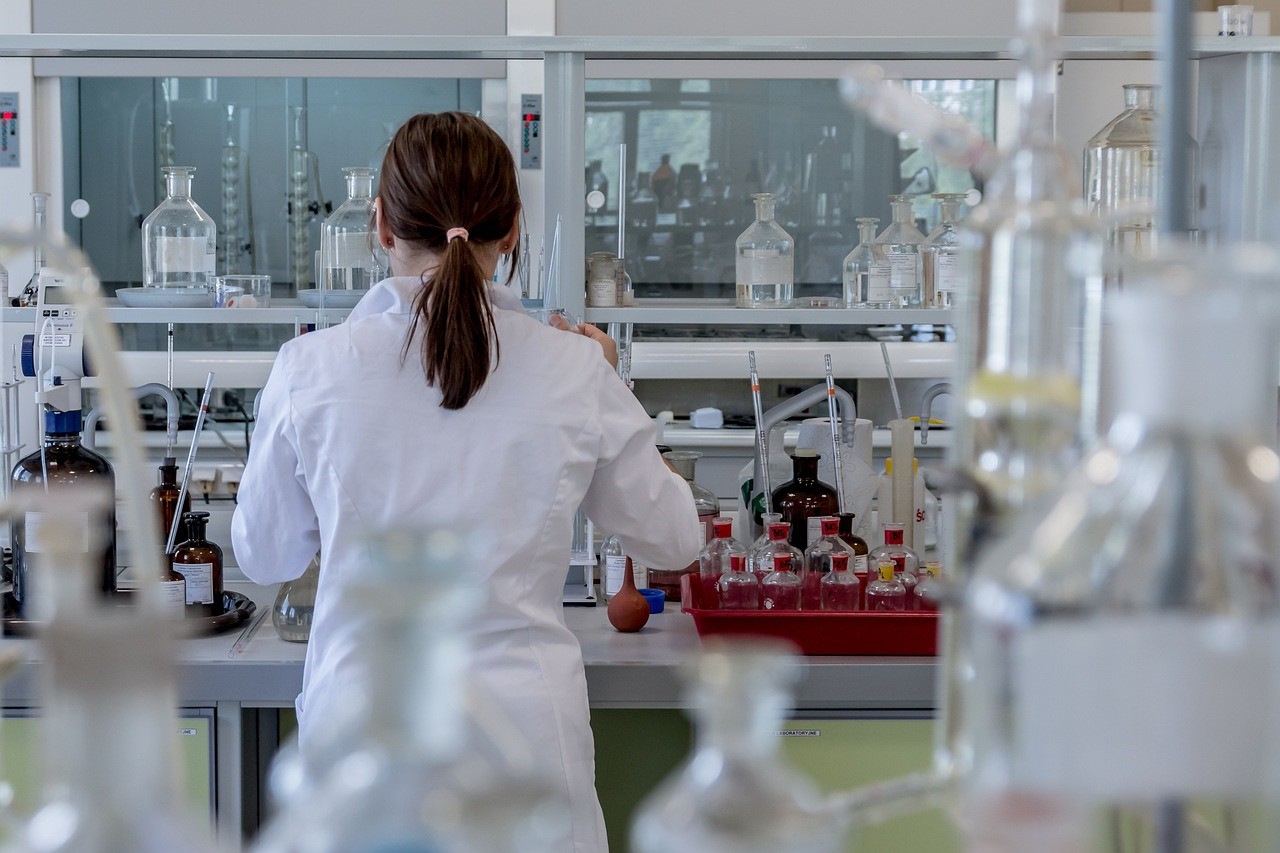
- Image Example: A setup with beakers, labeled chemicals, notebook ready—bonus points for not leaving an open flame unsupervised.
- Record Everything: Details matter! Write down even “weird” results—they might be valuable later.
The American Chemical Society has tons of resources to help you be a star student in the lab.
The Art of Crushing Problems: Problem-Solving Routines That Work
Remember this: almost every “hard” chemistry problem follows a pattern. Learn the process—not just the answer.
GUESS Method (Yes, It’s That Useful)
- Givens: Write down all the numbers and info you’re provided. Units matter. Don’t skip them.
- Unknowns: What does the problem actually want? (If you don’t know, reread.)
- Equation(s): Pull out the formula or reaction that links given info to what’s unknown.
- Substitute: Plug those numbers in, double-checking units and conversions.
- Solve: Do the math. Then look back—is this answer realistic?
- Example: “How many grams of water are produced from 10g of hydrogen reacting with excess oxygen?” Break it into: molar masses, moles, ratios—step by step.
Miss a step? Don’t sweat it. Guess what—every chemist messes up sometimes. Learning to spot and fix your own mistakes is half the battle.
Studying for Exams (And Keeping Your Sanity)
Nothing fuels stress (or makes you rethink your college major!) like chemistry exam week. Don’t just survive—set yourself up to win.
Mistake Journal: A Secret Weapon
- What It Is: Every time you drop points on homework or a quiz, jot it down. Were you tripped up by units? Did you forget to balance a reaction? Did the acid/base titration get confusing?
- Why Bother? If you review this before a test, you’ll avoid repeated mistakes. Your future self will be grateful.
Simulate the Real Thing
Find practice tests (from your teacher, a textbook, or online), set a timer, and go for it as if it’s real. Don’t check your answers until the end. This not only preps your brain for actual test pressure—but also shows you what to review harder.
If you freeze or blank out during the test, don’t panic. Take a breath, jump to another question, and circle back. Sometimes your brain “unsticks” when you give it a minute.
Take Care of Yourself
Seriously: no grade is worth trashing your health. Eat decent food, sleep before the exam, move your body (even a walk helps), and take real breaks. Science says rest is part of learning. Stress Management for Students is a must-read if you tend to get overwhelmed.
People Power: Why You’re Better Off Studying Together
Trust me—it’s rare to see top students go it alone.
Study Groups = Hidden Superpower
When everyone brings a different strength, it’s like assembling a team of superheroes. Somebody’s got stoichiometry down, while someone else rocks naming compounds. The result? You all level up.
- Peer Explanations: Teaching (or being taught) by a friend cements it differently.
- Motivation: When you see your buddy making flashcards, it’s easier to resist Netflix.
- Accountability: You’re less likely to bail on a study session if friends are counting on you.
Feel weird approaching people? Remember, everyone’s in the same boat. The bravest person in the room just means the one who asked for help first.
Use Your Resources
- Office Hours: PRO TIP: Bring a specific question instead of just saying “I’m lost.” Profs love tackling challenging problems—they won’t bite.
- Campus Tutors & Study Centers: Loads of schools have free or cheap drop-in chemistry help.
- Online Tools: There’s zero shame in learning from free experts like Khan Academy. Watch at your pace—rewind as much as you like!
Real Talk: Staying Motivated (& Not Burning Out)
Long-distance runners train in intervals—not sprints every day. Do the same in chemistry.
Celebrate Wins (Even Small Ones)
Finished a tricky set of practice problems? High five! Nailed one question? Yes! All that progress counts.
Learn From the Lows
Did you bomb a quiz? Welcome to the club—literally every chemist has. Use it as a guidepost, not a defeat. Your mistake journal is proof that errors lead to improvement.
Mix Up Your Study Routine
Sometimes the best thing you can do is come at a topic from a new direction:
- Watch a YouTube demo of a lab you’ll do next week.
- Listen to a chemistry podcast during your commute.
- Make silly flashcards, even if you draw a cartoon on each.
Keeping things fresh helps stop the dreaded burnout cycle.
Final Lab: Putting It All Together
Alright, scientist—you made it to the end, and you’re absolutely more prepared than you were a few minutes ago. Chemistry isn’t about memorizing facts just for a test; it’s about understanding “why things work,” predicting results, and building confidence to try (and fail and try again).
The best chemists? They started out lost, too. What set them apart wasn’t genius—it was a willingness to keep showing up and getting a little better each week.
Next time you sit down with your chemistry workbook, remember:
- Focus on the basics.
- Ask “why” every time you hit a new rule.
- Practice just a little, every day.
- Don’t go it alone—find your crew.
Good luck out there, and have fun experimenting! If you stick with these tips, you’ll be surprised by what you can achieve—in chemistry and in whatever adventure comes next.