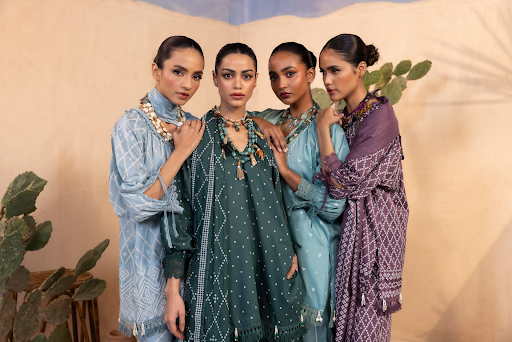
Pak clothing refers to traditional and modern clothing styles originating from Pakistan. It includes a wide range of outfits, such as shalwar kameez, kurtas, ghararas, lehengas, and embroidered suits. These garments are known for their cultural beauty, detailed craftsmanship, comfortable fabrics, and colourful designs. Over the years, Pakistani fashion has gained popularity beyond South Asia, particularly in the UK, USA, Canada, and other countries with diverse communities. The growing interest in traditional clothing, modest fashion, and cultural celebrations has helped pak clothing become an important part of international fashion. Its combination of heritage and modern design makes it appealing to different generations.
Understanding the Meaning of Pak Clothing
Pak clothing represents the traditional and contemporary fashion culture of Pakistan. Traditional outfits often reflect regional customs, cultural values, and centuries-old textile techniques. Common clothing styles include shalwar kameez, straight-cut suits, Anarkali frocks, and embroidered formal dresses. Modern Pakistani fashion also incorporates international trends, creating outfits suitable for everyday wear, office settings, family gatherings, and special occasions. Fabric choices range from lightweight lawn and cotton to luxurious chiffon, silk, velvet, and organza. This variety makes Pakistani clothing suitable for different seasons, preferences, and occasions. Each outfit combines practical design with distinctive cultural details.
Why Is Pakistani Clothing Popular Abroad?
Pakistani clothing has gained international attention because of its unique combination of traditional designs, modest styling, and modern fashion elements. Many people living abroad appreciate clothing that maintains cultural connections while remaining suitable for contemporary lifestyles. Pakistani suits offer different levels of embroidery, colours, cuts, and fabrics, making them suitable for casual and formal occasions. The availability of online clothing stores has also made international shopping easier. Customers can explore traditional collections without travelling to Pakistan. Social media, fashion influencers, cultural festivals, and family celebrations have further increased interest in Pakistani outfits across international markets.
The Cultural Importance of Traditional Pakistani Outfits
Traditional clothing plays an important role in Pakistani culture and celebrations. Shalwar kameez remains one of the most recognisable outfits, worn by men, women, and children. Regional clothing styles also contribute to the country’s diverse fashion identity. Sindhi embroidery, Punjabi phulkari, Balochi needlework, and Kashmiri-inspired patterns represent different artistic traditions. These details give Pakistani garments a distinctive appearance and cultural meaning. For overseas communities, traditional outfits provide an opportunity to celebrate cultural occasions and maintain connections with family heritage. Wedding ceremonies, Eid celebrations, Mehndi functions, and national festivals are common occasions for wearing these garments.
Popular Types of Pak Clothing
Pakistani fashion includes several clothing styles designed for different age groups, seasons, and occasions. Shalwar kameez is a widely recognised traditional outfit, while kurtas provide a comfortable option for everyday and semi-formal dressing. Women’s collections include embroidered suits, long frocks, ghararas, shararas, and three-piece outfits. Formal collections often feature intricate embellishments, decorative necklines, and detailed sleeve designs. Children’s Pakistani clothing includes miniature versions of traditional outfits, such as kurtas, waistcoats, frocks, and festive suits. The variety of available styles allows Pakistani fashion to appeal to different tastes while preserving traditional design elements.
The Role of Fabric and Embroidery in Pakistani Fashion
Fabric quality and embroidery are two important features that distinguish Pakistani clothing. Lightweight materials such as lawn, cotton, and cambric are popular for summer collections because of their breathable properties. Chiffon, silk, organza, and velvet are commonly used for formal and winter outfits. Embroidery techniques add visual interest through threadwork, sequins, mirror work, lace, and decorative motifs. Some garments feature delicate hand embroidery, while others use machine embroidery for consistent patterns and detailed finishes. These techniques create different price ranges and styles, making Pakistani outfits accessible to customers seeking both simple everyday clothing and elaborate occasion wear.
Pak Clothing and the Growing Demand for Modest Fashion
Modest fashion has become increasingly popular in international markets, and Pakistani clothing fits naturally into this trend. Many traditional outfits feature loose-fitting silhouettes, longer shirts, full sleeves, and comfortable trousers. These design elements offer coverage without limiting style choices. Long kameez designs, three-piece suits, embroidered dupattas, and flowing frocks are particularly suitable for modest dressing. Modern collections also include contemporary cuts and colour combinations while maintaining traditional coverage. The availability of different fabrics and silhouettes makes Pakistani fashion a practical choice for customers interested in combining modesty, comfort, and cultural expression.
Why Pakistani Fashion Is Popular in the UK
The United Kingdom has a strong market for Pakistani clothing, supported by a large South Asian community and growing interest in multicultural fashion. Traditional outfits are frequently worn during Eid, weddings, family celebrations, and cultural events. Pakistani suits are also popular for everyday dressing because of their comfortable fabrics and versatile designs. Online retailers have made it easier to access different collections, including casual lawn suits, embroidered dresses, and formal wedding outfits. Customers can explore clothing for different occasions while comparing colours, sizes, fabrics, and prices. This accessibility has helped Pakistani fashion become an established part of the UK’s ethnic clothing market.
How Online Shopping Has Increased International Demand
Online shopping has played a major role in introducing Pakistani clothing to international customers. Digital stores provide access to traditional and contemporary collections without requiring a physical visit to a Pakistani clothing market. Product photographs, size guides, fabric descriptions, and detailed measurements help customers understand available options before placing an order. International delivery services have also improved access to Pakistani fashion in countries such as the UK, USA, Canada, and Australia. However, checking return policies, delivery charges, fabric details, and sizing information remains important. Reliable product information helps reduce shopping difficulties and supports better purchasing decisions.
Tips for Choosing Quality Pakistani Clothing Online
Selecting suitable Pakistani clothing online requires attention to several practical details. Fabric descriptions should be checked carefully, especially when purchasing outfits for different seasons. Lawn and cotton are suitable for warmer weather, while velvet and heavier materials are more appropriate for colder months. Size charts should be reviewed instead of relying only on standard UK or international clothing sizes. Embroidery details, lining requirements, trouser fabric, and dupatta information should also be confirmed. Customer reviews and clear product photographs can provide additional guidance. Checking international shipping costs and estimated delivery times is particularly useful when ordering clothing for weddings or scheduled celebrations.
The Future of Pak Clothing in International Fashion
The international popularity of Pakistani fashion is likely to continue as traditional clothing becomes more accessible through digital platforms and international retailers. Fashion designers are combining classic embroidery and cultural patterns with modern cuts, updated colour palettes, and practical silhouettes. Sustainable fabrics, improved stitching techniques, and customised designs are also influencing new collections. Younger generations are showing interest in outfits that reflect cultural identity while matching contemporary fashion preferences. Pakistani clothing offers enough variety to meet these changing expectations. Its traditional craftsmanship, adaptable designs, and cultural significance provide a strong foundation for continued international recognition.
Explore Traditional and Modern Pakistani Fashion with Filhaal UK
Filhaal UK provides a platform for exploring Pakistani clothing in the United Kingdom, bringing traditional styles and contemporary fashion closer to international customers. Access to Pakistani suits, cultural outfits, and different clothing styles makes it easier to find garments for everyday dressing, family gatherings, and special occasions. A diverse collection also helps customers explore different fabrics, designs, and traditional influences in one place. For people interested in Pakistani fashion while living abroad, Filhaal UK represents a convenient connection to clothing inspired by Pakistan’s rich textile heritage and evolving fashion culture.



Reader Discussion 0
No reader comments yet.
Be the first to share your thoughts or ask a question about this article below.