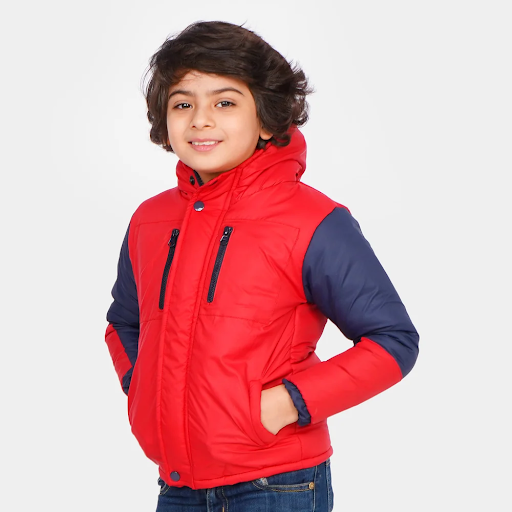
Choosing the right winter jacket for a boy involves more than selecting a thick design or a stylish colour. The ideal jacket should provide enough warmth to protect against cold temperatures while allowing comfortable movement during everyday activities. Weather conditions, outdoor activities, fabric quality, insulation, and personal comfort all play an important role in finding the right option. A boys winter jacket should offer suitable protection without causing excessive sweating or restricting movement. Understanding different insulation types, temperature ranges, and jacket features makes it easier to select practical winter clothing that keeps children comfortable throughout the colder months.
- 01. 1. Understanding the Right Warmth Level for a Winter Jacket
- 02. 2. Choosing a Jacket According to Winter Temperatures
- 03. 3. Different Types of Insulation for Boys’ Winter Jackets
- 04. 4. Important Features That Improve Winter Protection
- 05. 5. How to Select the Correct Jacket Thickness
- 06. 6. The Importance of Proper Layering During Winter
- 07. 7. Choosing the Right Jacket for School and Outdoor Activities
- 08. 8. How to Check Whether a Winter Jacket Is Warm Enough
- 09. 9. Common Mistakes to Avoid When Buying a Winter Jacket
- 10. 10. Finding the Right Balance Between Warmth, Comfort, and Style
- 11. Discover Comfortable Winter Clothing Options at Bachaa Party
- What is Link Exchange in SEO: A Complete Guide to Know

- The Art of the Hook: How to Write Enticing Introductions in Blogging and Essay Writing

- How a Website Audit Helps Improve User Experience and SEO Together

- What SEO Content Tips Top Digital Marketing Firms Always Follow

- How to Rank Your Blog in Google’s Top 10 Search Results

- Top SEO Trends for 2026: Strategies to Refine Your Content

1. Understanding the Right Warmth Level for a Winter Jacket
The ideal warmth level depends mainly on the outdoor temperature and the amount of time spent outside. A lightweight jacket may provide enough protection during mild winter days, while freezing temperatures require thicker insulation and better wind protection. Children who walk to school, play outdoors, or travel regularly may need different levels of warmth throughout the season. A suitable winter jacket should maintain body heat without making everyday activities uncomfortable. Breathable materials, proper insulation, and a comfortable inner lining help maintain a balanced temperature in changing weather conditions.
2. Choosing a Jacket According to Winter Temperatures
Temperature is one of the most important factors when selecting winter clothing. Different weather conditions require different jacket styles and insulation levels.
- Mild Winter Weather (10°C to 15°C): A lightweight padded jacket, fleece-lined coat, or softshell jacket can provide sufficient warmth during slightly cold days.
- Cool Weather (5°C to 10°C): A medium-weight jacket with polyester insulation or a warm fleece lining offers better protection against chilly air.
- Cold Weather (0°C to 5°C): A padded jacket with thicker insulation, a protective collar, and wind-resistant fabric is a more suitable choice.
- Freezing Weather (Below 0°C): A heavily insulated winter coat with a hood, secure cuffs, and weather-resistant outer material provides additional protection.
These temperature ranges are general guidelines rather than fixed rules. Wind, humidity, activity level, and clothing underneath the jacket can significantly affect comfort.
3. Different Types of Insulation for Boys’ Winter Jackets
Insulation determines how effectively a jacket retains body heat. Several materials are commonly used in children’s winter clothing, with each offering different benefits.
- Polyester Insulation: Lightweight, affordable, and easy to maintain. It provides reliable warmth for everyday winter use.
- Down Insulation: Made from natural feathers, down offers excellent warmth without adding much weight. However, moisture can reduce its insulating performance.
- Fleece Lining: Soft and comfortable, fleece helps retain warmth while allowing comfortable movement. It is commonly used inside casual winter jackets.
- Synthetic Fill: Designed to provide warmth even in damp conditions, synthetic filling is a practical option for unpredictable winter weather.
The best insulation depends on local climate conditions, maintenance requirements, and the expected amount of outdoor activity.
4. Important Features That Improve Winter Protection
A warm jacket should include practical features that protect against cold air and help maintain a comfortable body temperature. Certain design details can make a noticeable difference during daily winter activities.
- Adjustable Hood: Provides additional protection for the head and ears during windy or cold weather.
- Elastic or Adjustable Cuffs: Help prevent cold air from entering through the sleeves.
- High Collar: Covers the neck and reduces exposure to chilly winds.
- Secure Zippers: A full-length zipper with a protective flap helps block cold air.
- Insulated Pockets: Keep hands warmer and provide convenient storage for small belongings.
- Wind-Resistant Fabric: Reduces the effect of cold air during outdoor activities.
- Water-Resistant Material: Offers protection against light rain, snow, and moisture.
These features help make a boys winter jacket more suitable for regular school use, outdoor play, and family outings.
5. How to Select the Correct Jacket Thickness
A thicker jacket does not always provide better warmth. Insulation quality, fabric construction, and overall design are equally important. A lightweight jacket with effective synthetic filling may provide better warmth than a bulky jacket made with low-quality materials. The correct thickness should match the expected weather conditions and activity level. For active children, medium-weight jackets often provide a useful balance between warmth and flexibility. Heavier coats are more suitable for prolonged exposure to freezing temperatures. Choosing an appropriate thickness also helps prevent overheating during indoor activities or when travelling between warm and cold environments.
6. The Importance of Proper Layering During Winter
Layering is an effective way to maintain warmth without depending entirely on a heavy winter coat. Multiple clothing layers create insulation by trapping warm air close to the body.
A practical winter layering system includes:
- Base Layer: A comfortable cotton or moisture-wicking thermal shirt helps manage moisture and provides a foundation for winter clothing.
- Middle Layer: A fleece sweatshirt, knitted sweater, or warm pullover adds insulation.
- Outer Layer: A padded or insulated winter jacket protects against wind, cold air, and light moisture.
Layering also provides flexibility when temperatures change throughout the day. Extra layers can be added during cold mornings and removed when indoor temperatures become warmer. This approach is particularly useful for school-going children and outdoor activities.
7. Choosing the Right Jacket for School and Outdoor Activities
Daily activities should influence the type of winter jacket selected. School clothing needs to provide consistent warmth while remaining comfortable for several hours. Lightweight padded jackets with soft linings are practical for everyday school routines. For outdoor play, durable fabrics, flexible sleeves, secure fastenings, and weather-resistant surfaces are useful features. Longer winter coats can provide additional coverage during particularly cold conditions. Jackets with comfortable hoods and adjustable cuffs are also helpful during windy weather. Selecting a suitable design for daily activities ensures that winter clothing remains functional without limiting normal movement.
8. How to Check Whether a Winter Jacket Is Warm Enough
A jacket’s appearance alone cannot determine its actual warmth. Several practical checks can help identify whether a particular design offers sufficient insulation.
- Check the Inner Lining: A soft, insulated lining generally provides better comfort in cold weather.
- Examine the Filling: Evenly distributed insulation helps prevent cold spots.
- Feel the Outer Fabric: Wind-resistant materials offer better protection during outdoor exposure.
- Check the Sleeves: Properly fitted cuffs help prevent heat loss.
- Consider the Fit: Enough room should remain for a thermal shirt or sweater underneath.
- Review the Care Label: Fabric and washing instructions help determine durability and maintenance needs.
A comfortable fit is especially important because an extremely tight jacket can restrict movement and reduce the space needed for effective layering.
9. Common Mistakes to Avoid When Buying a Winter Jacket
Selecting winter clothing without considering practical requirements can result in poor comfort and inadequate protection. Some common mistakes include choosing a jacket only because of its appearance, ignoring the quality of insulation, and purchasing an unsuitable size. Another mistake is selecting an excessively heavy coat for mild winter weather. Such jackets can cause discomfort during walking, playing, or travelling. Ignoring weather resistance can also become problematic in areas with frequent rain or strong winds. Checking the material, stitching, zippers, lining, and overall fit before making a purchase helps avoid these issues and supports a more practical buying decision.
10. Finding the Right Balance Between Warmth, Comfort, and Style
The best winter jacket combines suitable insulation, comfortable materials, and a practical design. Colour, pattern, and overall appearance can also influence clothing choices, but warmth and functionality should remain the main priorities. Neutral shades, bright colours, printed designs, and classic padded styles offer different options for everyday winter outfits. A well-fitted jacket should allow enough room for additional layers without looking oversized. Soft inner fabrics, lightweight construction, and durable outer materials make winter clothing more comfortable for regular use. Considering these qualities helps identify a jacket that remains useful throughout the colder season.
Discover Comfortable Winter Clothing Options at Bachaa Party
Bachaa Party offers a convenient destination for exploring children’s clothing and seasonal fashion options. A useful winter wardrobe should include comfortable jackets, warm layers, and practical outfits suitable for school, outdoor activities, and family occasions. When selecting a boys winter jacket, factors such as insulation, fabric quality, fit, and weather protection deserve careful attention. Bachaa Party provides an opportunity to explore children’s fashion in different styles and designs while considering everyday clothing needs. A balanced approach to winter shopping helps identify suitable clothing that combines comfort, warmth, and attractive designs for the colder months.





Reader Discussion 0
No reader comments yet.
Be the first to share your thoughts or ask a question about this article below.