Pick a Commercial Loan Instead of a Machinery Loan?
Okay, so imagine your business hits that moment where you need extra funds. Maybe things are going well (yay!), and you’re planning to expand, or maybe you just realized you can’t keep operating without that shiny new equipment that costs more than your car. The immediate thought is—cool, I’ll just take a machinery loan, right? But hold on, because sometimes a machinery loan is exactly what you shouldn’t take. Yep. A little twist right there.
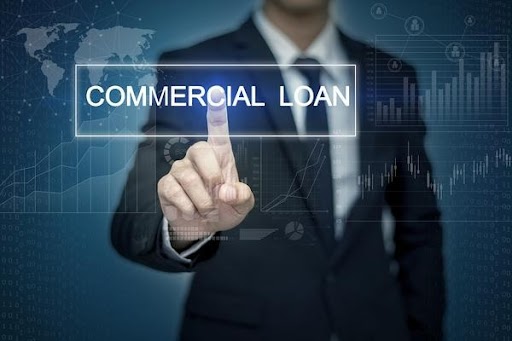
There’s something called a commercial loan, which sounds fancy, but honestly it’s just a less restrictive loan that lets you do more than just buy machines. Think of machinery loans like money you can only spend on a specific item. Commercial loans? More like those multipurpose gift cards that literally work everywhere (which we all secretly love).
So let’s break this whole thing down without sounding like a textbook.
What actually is a commercial loan?
Think of it as a business loan that gives you room to breathe. Maybe you want to expand your office space, hire more people, add inventory, or survive a rough quarter when cash flow is—let’s say—not your best friend. A commercial loan kind of becomes your all-rounder.
Some businesses use it for:
- working capital
- new branches
- inventory
- moving locations
- marketing
- operational expenses
Basically everything the bank approves (obviously).
You usually have to put down collateral—property, inventory and so on—but the benefit is that these loans allow bigger amounts and longer repayment terms.
Okay and a machinery loan is… exactly what it sounds like
Yep. You guessed it. A machinery loan is a loan that exists only to help you buy equipment. Need a laser cutting machine? A commercial refrigerator? A medical device? Cool—this loan covers that.
And here’s a fun detail: usually that same machinery becomes your collateral. So if you can’t repay, the lender takes the equipment. Ouch, yes, but that’s the rule.
So when does a commercial loan make more sense?
Now we’re getting to the good stuff. There are some situations where going for a machinery loan will feel like wearing a shirt that’s two sizes too small. Technically, you can squeeze yourself into it, but should you? Probably not.
1. When you need money for multiple business things
If your plan is bigger than just buying a machine—like remodeling your space, training your employees, buying raw material—then a machinery loan is going to feel very limiting.
A commercial loan lets you bundle everything under one loan and call it a day.
2. When you don’t want your equipment tied up as collateral
Sometimes you don’t want the machine itself acting as collateral because, honestly, it feels risky. With a commercial loan, you choose different collateral and keep your equipment “free”.
3. When you need a larger amount
Machinery loans usually only cover the equipment’s cost. No more, no less. But what if your plan includes land, interiors, hiring, and machines? A commercial loan covers the whole picture.
4. When you aren’t even sure how long the machine will stay relevant
Some machinery becomes outdated ridiculously fast. If you think you’ll have to upgrade sooner, a short machinery-loan tenure may not work at all. Commercial loans have longer terms, which feels much easier on cash flow.
5. When you need working capital too
Machinery loans won’t help you with salaries or vendors or daily operations. Commercial loans absolutely will. Sometimes that makes a world of difference.
So when should you actually choose a machinery loan?
Well—if all you want is that machine and nothing else… machinery loans are simpler, usually faster to get approved, and exactly meant for that purpose. Some businesses like that structure.
My little takeaway
Here’s how I see it:
- Want freedom to use funds your way? → commercial loan
- Only want to buy equipment and nothing else? → machinery loan
There isn’t a universal winner here. It honestly depends on what stage your business is in and how flexible you need your funding to be. A thoughtful decision (and maybe a quick chat with your financial person) will save you a lot of stress later.
About the Author