
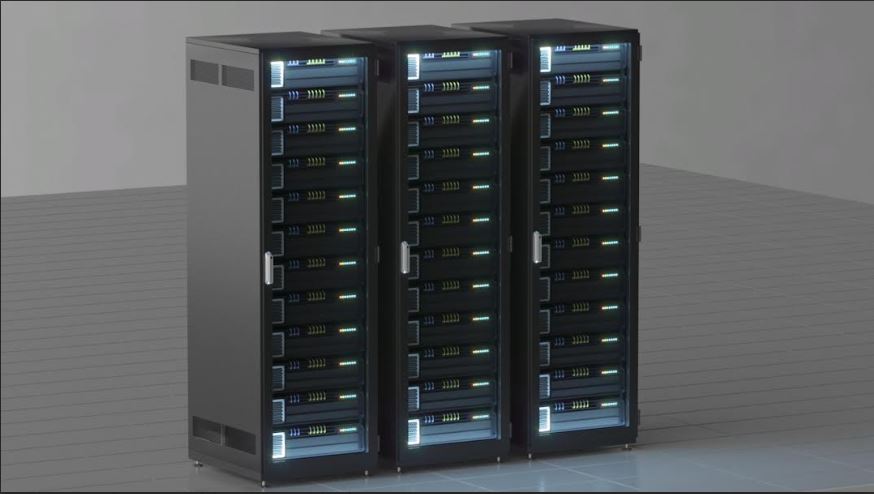
Modern data centers carry more responsibility than ever before. Business systems operate throughout the day, and teams rely on steady performance to keep work moving forward.
As applications become increasingly demanding, organizations are adopting high-density environments to meet rising expectations. This shift makes planning essential because space power and airflow must work together without friction.
A well-planned server rack supports growth while maintaining calm and predictable daily operations. It helps IT teams stay confident as workloads increase and technology changes. At the same time, thoughtful planning reduces stress during deployment and long-term management.
This guide shares practical advice grounded in real business needs. Each tip focuses on clarity, simplicity, and long-term value. When a server rack design supports people as much as systems, it builds a foundation that teams can trust as workloads continue to grow.
1. Plan Server Rack Layout With Workload Flow In Mind
High-density workloads create constant movement of data and heat across systems. Because of this, the server rack layout should reflect how workloads behave during busy periods and steady operations. When layout decisions match real usage patterns, teams avoid disruption later.
Why layout planning matters
- Supports smooth airflow from front to back
- Reduces congestion during maintenance activities
- Helps teams scale without redesigning the server rack
As a result, daily operations feel more controlled and predictable for everyone involved.
2. Align Power Strategy With Server Rack Capacity
Power planning defines how reliably high-density environments perform over time. A server rack must support current demand while leaving room for future expansion. When power planning stays realistic teams avoid overload and unexpected downtime.
Key power planning actions
- Match power units to real workload needs
- Balance power evenly across the server rack
- Maintain headroom for future growth
This approach builds confidence because systems remain stable even as demand increases.
3. Design Cooling Paths That Match High-Density Demand
Cooling plays a critical role in every server rack design. High density workloads generate steady heat and cooling paths must remove that heat efficiently. When cooling aligns with rack planning, hardware lasts longer and performance remains consistent.
Cooling-focused planning steps
- Keep airflow paths clear inside the server rack
- Separate hot and cold air zones effectively
- Select cooling solutions designed for dense environments
With proper cooling in place, teams can focus on results instead of temperature alerts.
4. Choose Server Rack Dimensions With Growth In Mind
The size and depth of a server rack influence flexibility for years to come. High-density environments benefit from racks that adapt easily to change. When dimensions support modern hardware, teams avoid costly upgrades later.
Dimension planning essentials
- Select racks that support deeper servers
- Reserve vertical space for future systems
- Ensure adequate room for airflow and cabling
This decision supports long term stability and makes upgrades feel manageable rather than disruptive.
5. Organize Cabling To Support Density And Clarity
Cabling strongly affects how easy a server rack feels to manage. In high-density setups, clean cable organization saves time and reduces confusion. Clear cabling helps teams respond quickly during maintenance or expansion.
Cabling organization practices
- Route cables through defined pathways
- Label connections clearly for easy identification
- Separate power cables from data cables
As a result, the server rack remains readable and easier to manage under pressure.
6. Plan Access And Maintenance From Day One
High density does not have to mean difficult maintenance. A server rack should support safe and easy access for the people who manage it. Planning with human movement in mind makes daily tasks smoother and safer.
Maintenance-friendly planning steps
- Leave sufficient clearance around each server rack
- Use rails that allow smooth server movement
- Position critical systems at reachable heights
This focus respects the people behind operations and reduces long term strain.
7. Build Flexibility Into Every Server Rack Decision
High-density workloads evolve as business needs change. A flexible server rack design adapts without stress. Planning for change helps organizations stay agile while protecting earlier investments.
Ways to support flexibility
- Use modular server rack components
- Allow space for emerging technologies
- Standardize layouts across locations
This flexibility helps teams feel prepared rather than reactive when change arrives.
Conclusion
High-density environments place growing demands on both technology and the people who support it. A carefully planned server rack becomes more than a structure for hardware. It becomes a reliable partner in daily operations and long-term growth.
Each planning choice influences performance stability and team confidence. When layout power cooling and access work together, the result feels balanced, dependable and calm. These seven planning tips provide a clear path toward that balance.
By focusing on clarity, flexibility and people-first thinking, organizations create environments where technology works quietly and reliably. A strong server rack plan supports today’s workloads while preparing teams for what comes next. That sense of readiness builds trust and keeps progress moving forward.