Learn Everything About Custom Display Boxes with These 9 Types
Custom Display Boxes: The clever resources for retailer brands. They display products, grab attention, and make it easy to purchase. The right kind can increase visibility and sales in any retail store. These boxes are not just boxes! These are small billboards that are placed on counters, floors, or shelves. They keep things tidy, keep dust off and make it quick to restock. Yet, for big chains or small boutiques alike, display boxes address common issues and offer opportunities to sell.
The idea of custom printed display boxes is working because they are where shoppers are looking. The vast majority of purchases occur within the first few seconds. A simple, assertive show keeps feet and hands from getting caught. It makes your browser your buyer. This is why smart brands invest in custom displays, giving them the time and money to focus on creating a display that suits the occasion. They pay for themselves with increased sell-through and repeat orders.
What are the different types of custom display boxes?
There are numerous kinds of display boxes available. Each are suited to various products, spaces, and objectives. The 9 most common types are listed below. Once you have these, you’ll be able to choose the right one to promote your brand.
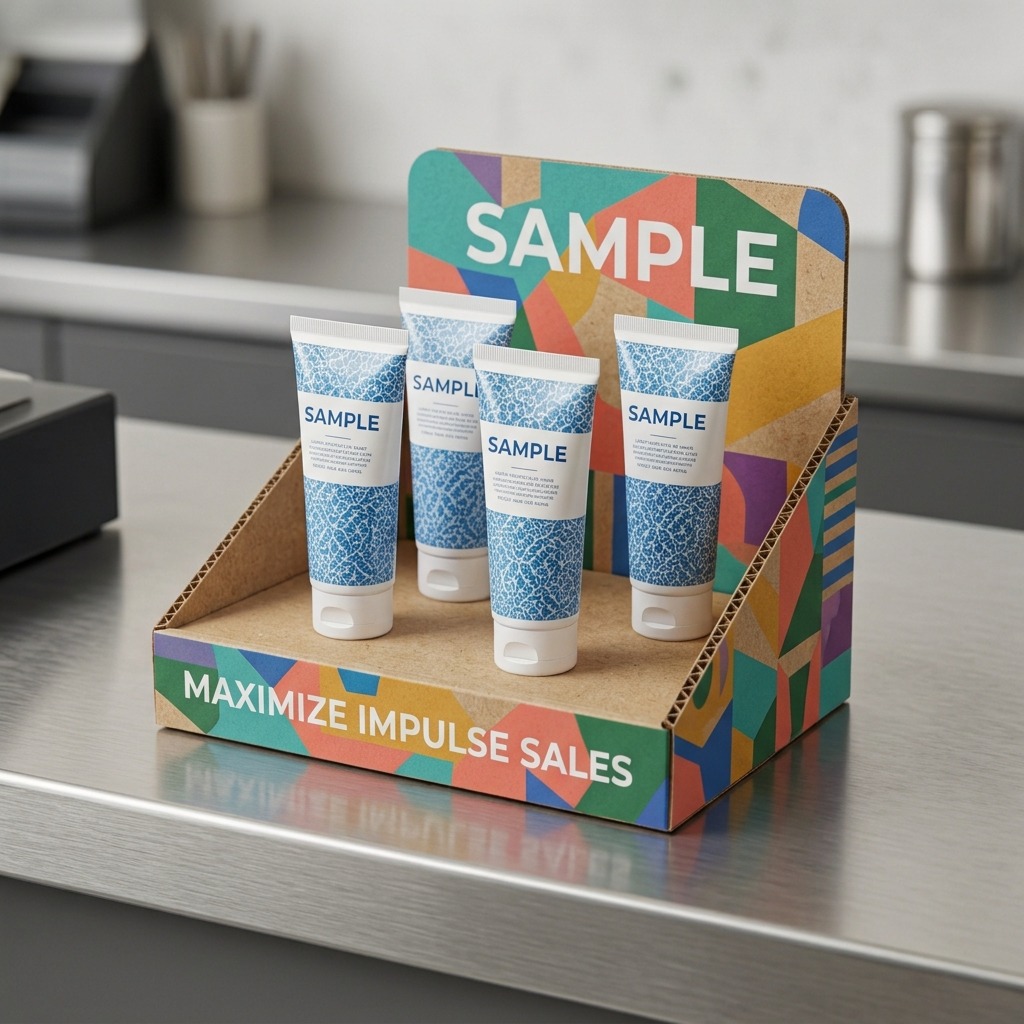
1. Counter Display Boxes
Small pieces on counters at the cashier or reception desks. Great for impulse items like small lip balms, snacks, gum, and accessories. They are small, fitting in small places. Most are open-fronted or have open trays for easy grabbing.
Ideal for: low-cost, small items that require quick decision-making.
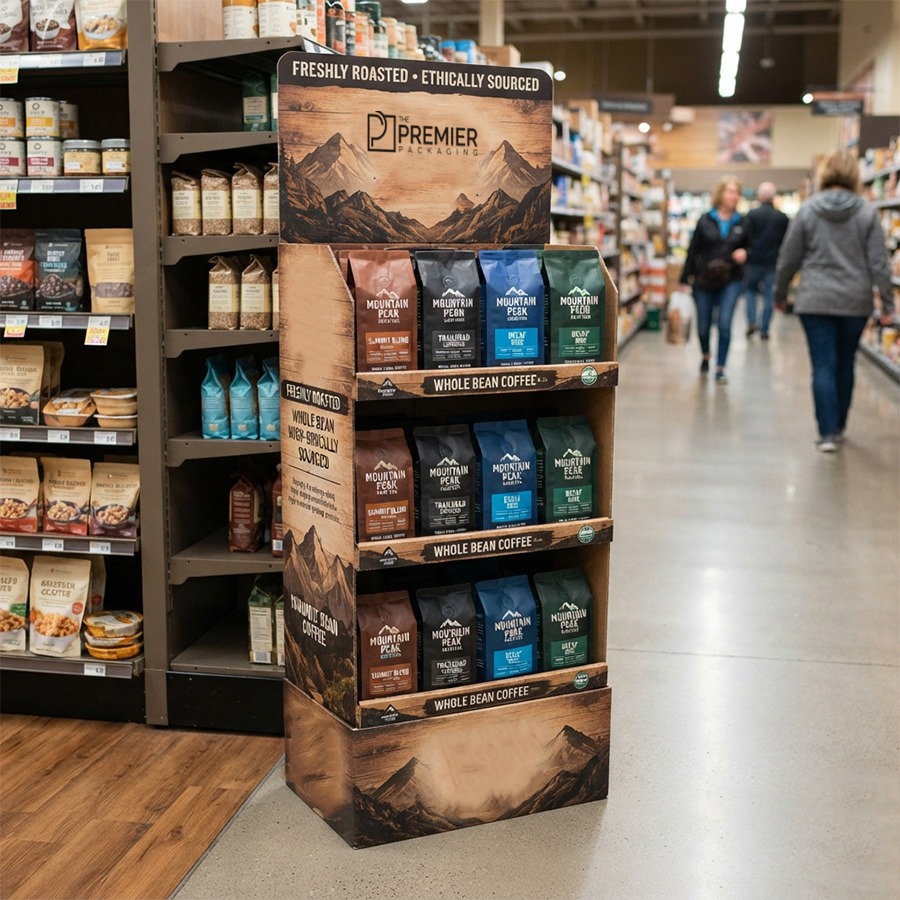
2. Floor Display Boxes
Tall, freestanding units for aisles or endcaps. Perfect for seasonal promotions and new product launches, and can store large quantities. They can be multi-tiered to display numerous SKUs at once.
Ideal for: Bulk products, new product trials or holiday collections.
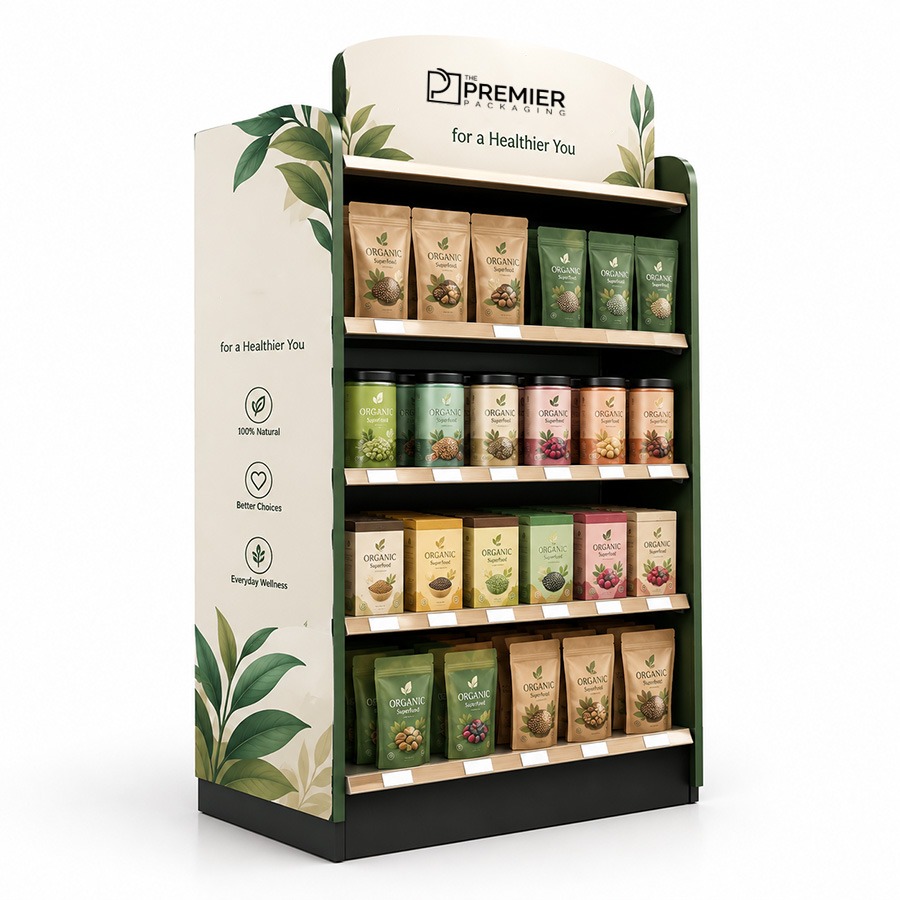
3. End Cap Displays
Designed for the ends of store aisles. Obviously, high-traffic hot spots attract attention from several directions. Often bigger than counter units and printed on all sides.
Suitable for: Featured products, promos, or zone brand takeovers.
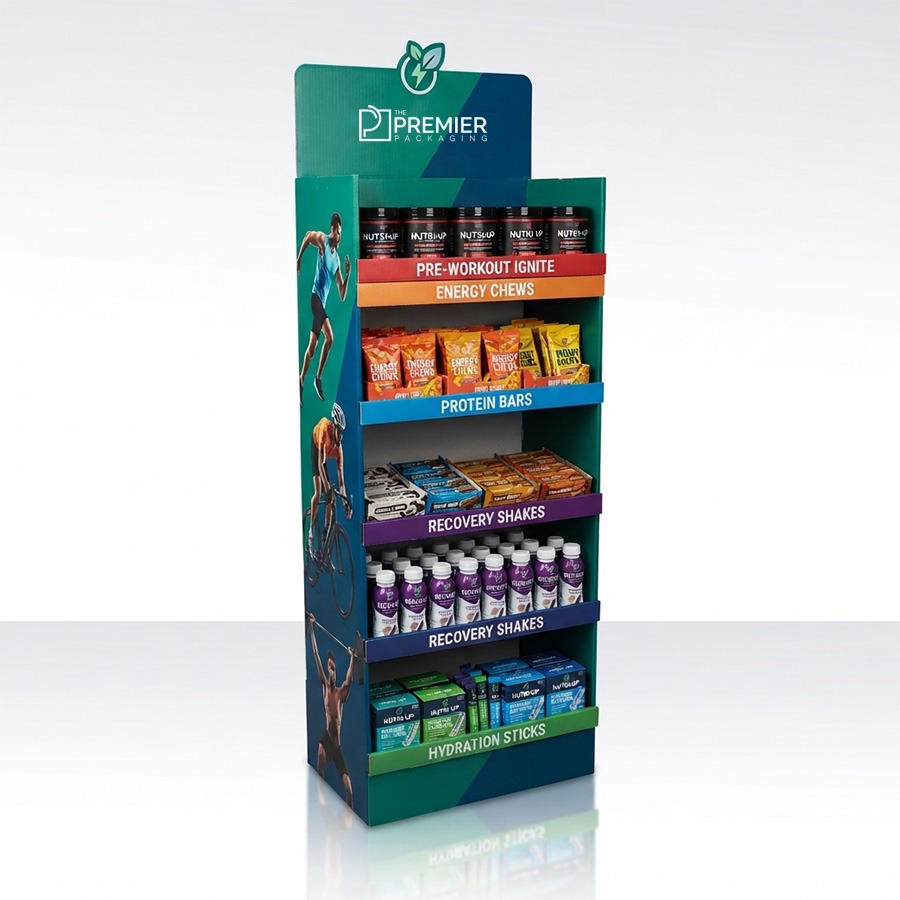
4. Hook Display Boxes
Hang on racks or hangers attached to the wall. Perfect for lightweight objects such as phone cases, jewelry, tools, or beauty accessories. They rely on gravity or hooks to display items.
Ideal for: Smaller products or those that can be hung from the ceiling, requiring space above.
5. Power Wing Boxes
Sidekick units that mount to the sides of shelves. Fill unused shelving with additional product imagery and branding. They “wing” out from the main shelf to be noticed.
Ideal for: Additional products, travel-size products, and product line bundles.
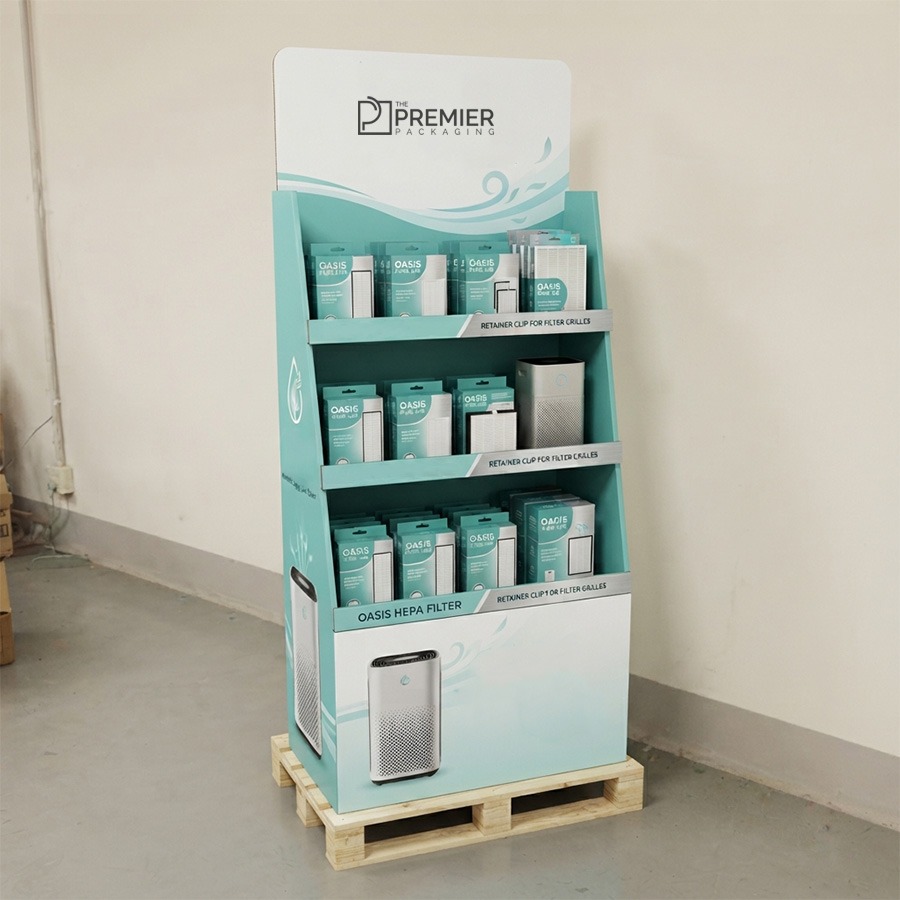
6. Pallet Displays
Large, pallet-based units ready for placement in a retail environment. For bulk promotions, warehouse clubs or large seasonal promotions. They are shipped flat and assembled on site to optimize shipping costs.
Ideal for: Large quantities, club stores, or seasonal surplus.
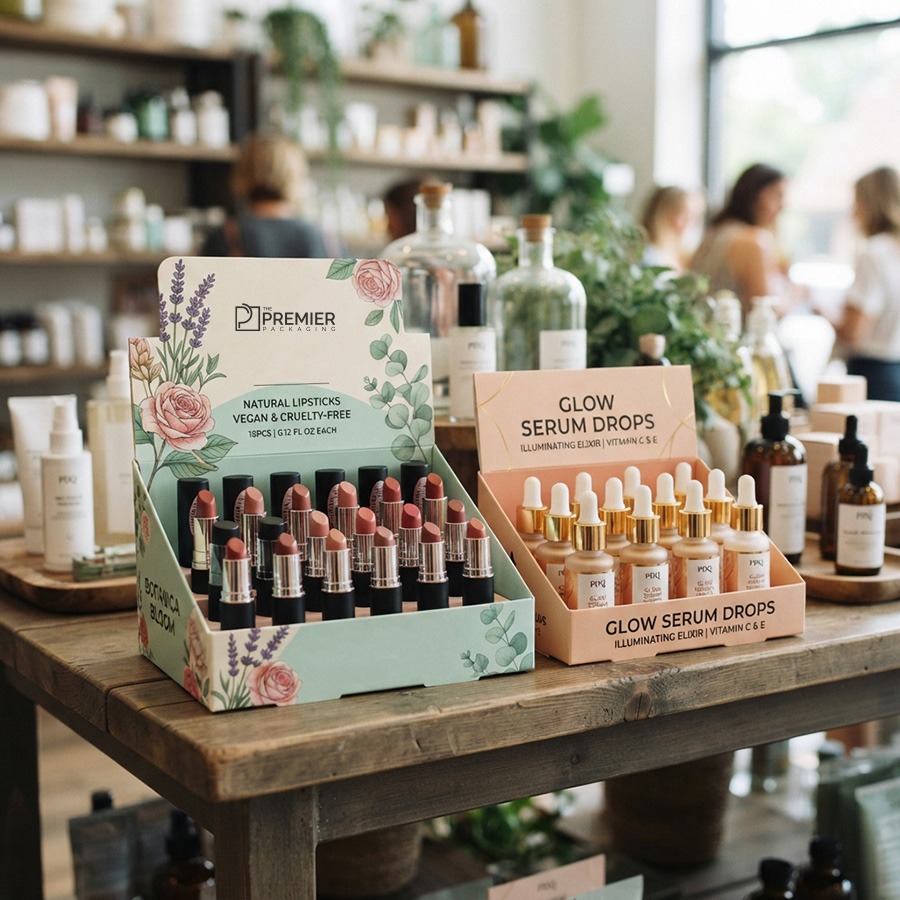
7. Cosmetic Displays
Specially designed for beauty products. Add lipstick, skin care or perfume holders with mirrors or tiered shelves. Frequently use transparency, such as clear acrylic and windows to display shades.
Ideal for Makeup, skincare, fragrance, or personal care lines.
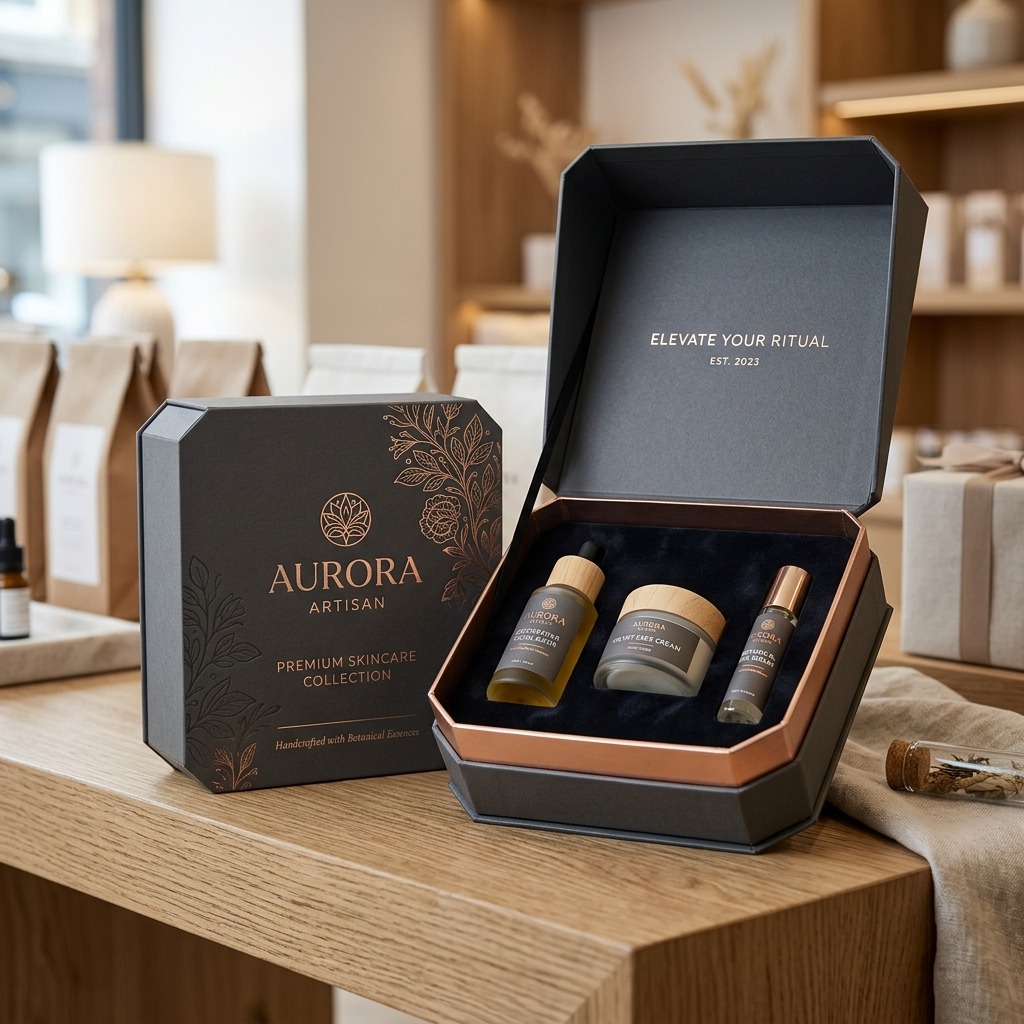
8. POP Displays
The units will be set at the point of purchase area, close to checkout or high-traffic areas. Designed to make last-minute purchases with easy graphics and choices.
Ideal for: Impulse products such as candy, batteries, chargers, or travel products.
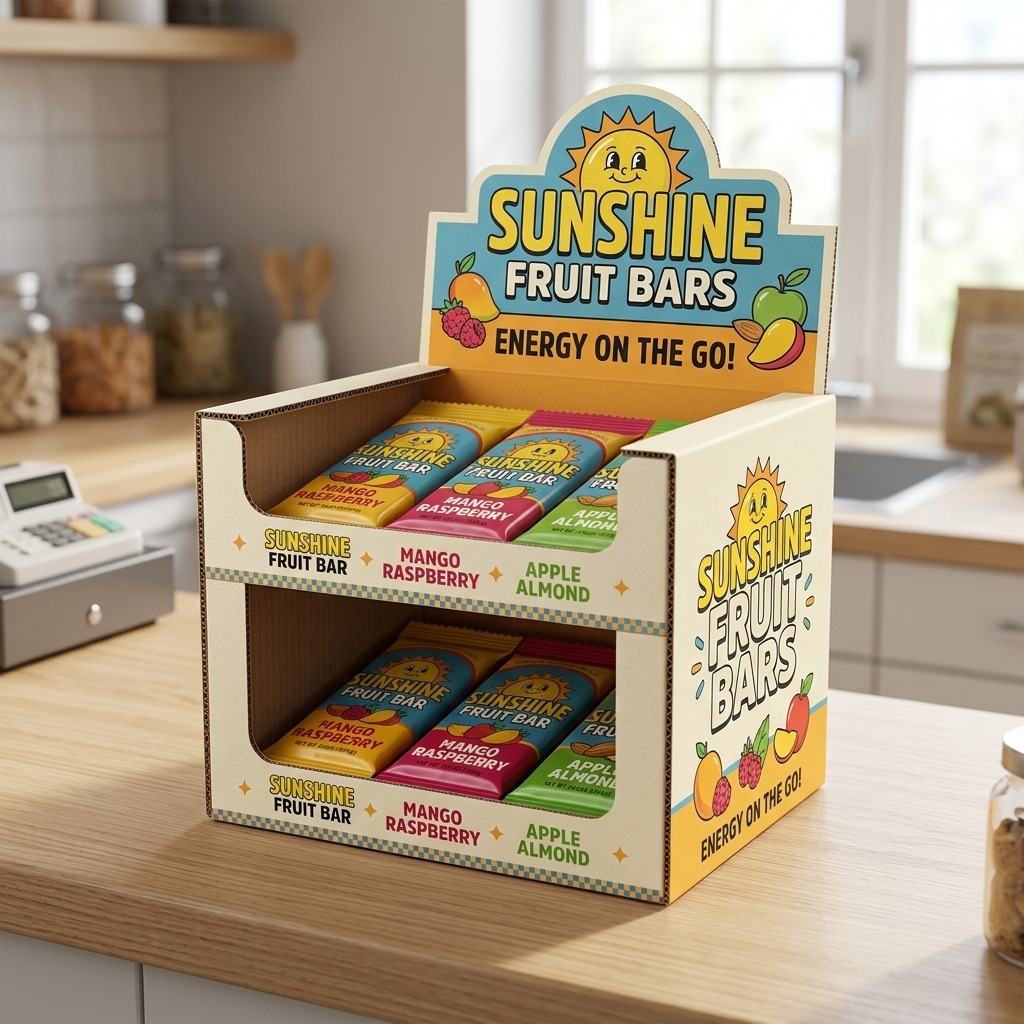
Create a display with boxes that have dust flaps.
Have extra flaps to keep dust out when not in use. Ideal for stores that change merchandise or have high-priced, valuable merchandise. Flaps shut down during nighttime or when traffic is light.
Best for: High-end products, electronics, or items on display for days.
These each address different needs. The winner of the counter boxes is the one who wins the fastest. The more the merrier are the floor boxes. End caps get points on sight lines. Hook boxes get the best of this vertical space. On add-on sales, Power Wings win. The pallet is the winner on bulk moves. Experience is the name of the game when it comes to cosmetic displays. Impulse wins with POP boxes. Dust flap boxes are winners when it comes to protection.
Combine and arrange according to product and store plan. They can be counter boxes at checkout, floor stands in aisles, and hook displays on walls, all from the same brand. The objective should be to be visible in several locations without getting cluttered.
Custom display boxes can be made into a show-stopper with the following 6 tips.
Custom boxes are tailored to your brand and products. Here are some tips for making the most of your design. The balance of look, function, and cost is the key to good customization.
Put in advance research first.
Understand the store layout, size of store shelves, and how customers move through the store. Take measurements of areas and observe competitor displays. This prevents reprints and the usage of wasted units.
Planning checklist:
- Measure counter space, shelf space, or floor space (width, depth, and height).
- Count the number of units required for each display before they are sold. Before selling, count the number of units required for each display.
- Pay attention to lighting and sight lines in the notes (especially eye level).
- Verify the frequency of restocking and restocking staff access (easy open matters)
- Request information from retailers about size restrictions or limits for displays.
Watching shoppers is also a part of research. Where do they stop? What do they touch? Then determine your size and place the display based on those clues.
Ponder the Materials
Choose material according to weight, appearance, and price. Corrugated is high-strength for floor units. Lightweight counter displays can be cardboard or kraft.
Material picks:
- Corrugated — good for heavy or large (bulk) items, used for floor and pallet displays
- Smooth print for retail cartons and great for counter/pop, cardboard (SBS)
- Kraft – Environmentally friendly, natural appearance, favored by eco brands.
- Rigid board — high-quality feel for high-end products, cosmetics, or presents.
The material also influences the print quality. Smooth boards will capture sharp photos and fine text. Bold colors and large type are ideal choices for Corrugated.
itxbella
Toprecents Contributor & Subject Specialist. Published in verified categorized directories.